
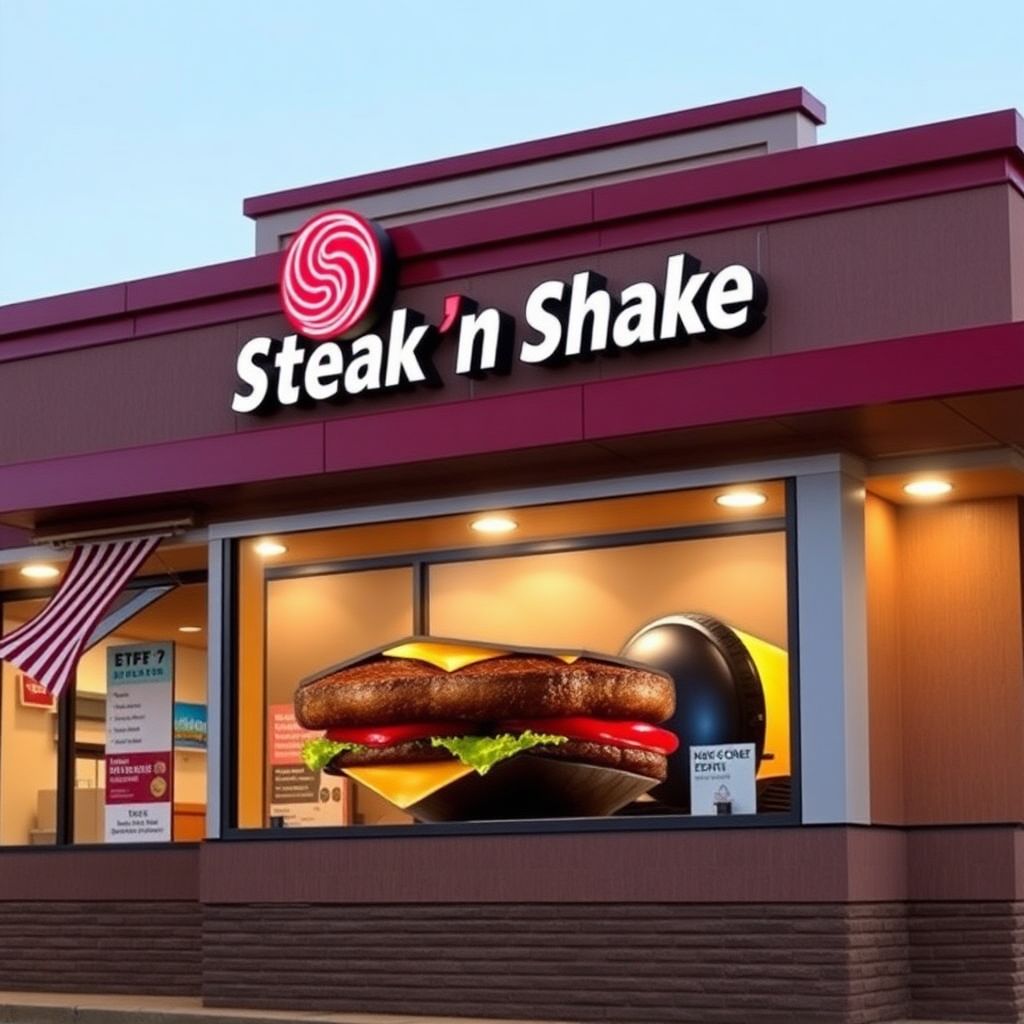
Steak ‘n Shake swiftly reversed its decision to explore accepting Ether (ETH) as a payment option after facing a wave of criticism from Bitcoin proponents. The American fast-food chain, which had launched a poll on social media platform X (formerly Twitter) asking whether it should begin accepting ETH, abruptly halted the poll just four hours after it went live.
The initial poll, posted to Steak ‘n Shake’s 468,800 followers, garnered significant engagement, with over 48,000 votes cast. Of those, 53% supported the idea of adding Ether to the company’s payment methods. However, the initiative enraged a segment of the Bitcoin community, which viewed the move as a betrayal of the brand’s alignment with Bitcoin.
Reacting to the backlash, Steak ‘n Shake posted a follow-up message: “Poll suspended. Our allegiance is with Bitcoiners. You have spoken.” The company had previously begun accepting Bitcoin payments on May 16 at all locations where it is legally allowed, including in the United States, France, Monaco, and Spain.
The backlash came despite the fact that the fast-food chain has benefitted from its embrace of Bitcoin. In its third-quarter financial report, Steak ‘n Shake revealed a 15% year-over-year increase in same-store sales, partially attributing the growth to the support of Bitcoin enthusiasts. This loyalty may explain why some customers reacted so strongly to the idea of accepting any other cryptocurrency.
Among the critics was Adam Simecka, developer of the Bitcoin self-custody wallet Manna, who stated, “I promise, if you accept ETH, I will never eat at your restaurant again.” Another user, known as “The Bitcoin Gal,” expressed disappointment that the poll was even considered, while Bitcoin developer Carman suggested that the move had damaged the brand’s credibility among its core supporters.
The incident highlights ongoing tribalism within the crypto community, where many Bitcoin advocates view BTC not just as a cryptocurrency, but as the only legitimate form of digital money. This sentiment echoes views expressed by prominent figures like Michael Saylor, who has famously declared, “There is no second-best crypto asset, there’s a crypto asset and it’s called Bitcoin.”
Interestingly, Ethereum co-founder Vitalik Buterin weighed in on the controversy, offering support for Steak ‘n Shake’s initial willingness to experiment with broader crypto payment options. Buterin suggested that businesses embracing cryptocurrency should choose a specific crypto community to align with rather than trying to appease all user bases simultaneously. He emphasized that while diversification may seem logical from a business standpoint, it often provokes backlash in the highly polarized world of crypto.
Despite the controversy, Steak ‘n Shake is continuing to deepen its relationship with Bitcoin. The company recently announced the launch of a new menu item — the “Bitcoin Steakburger” — set to debut on October 16 as a celebration of its integration of BTC payments.
The episode serves as a case study in the intersection of corporate decision-making and crypto community politics. It underscores how deeply held beliefs within crypto circles can influence brand perception and customer loyalty. For businesses, navigating the crypto landscape requires more than technological integration — it demands cultural sensitivity to the values and identities of specific blockchain communities.
Moreover, the reaction to the ETH poll reveals a broader pattern in the crypto industry: a resistance to inclusivity within payment systems from certain maximalist groups. While accepting multiple cryptocurrencies could theoretically expand a company’s customer base, it also risks alienating those who adhere to a single-chain philosophy.
The fast-food chain’s rapid withdrawal from Ether acceptance raises questions about the future of crypto adoption among mainstream brands. Will companies be forced to pick a side in the ongoing crypto tribal wars, or will they find a way to accommodate multiple communities without incurring backlash?
From a business strategy standpoint, the episode illustrates the importance of understanding not just market demand, but the emotional and ideological investments of a brand’s customer base. For now, Steak ‘n Shake has chosen to double down on its Bitcoin allegiance, a move that may solidify its standing among BTC supporters — but potentially at the cost of broader crypto adoption.
Looking ahead, companies exploring cryptocurrency integration must weigh the benefits of innovation against the risks of community alienation. Whether this means exclusive partnerships with certain blockchains or more nuanced rollout strategies, one thing is clear: in the world of crypto, payment options are about more than convenience — they’re about identity.
As more brands consider entering the Web3 space, the lesson from Steak ‘n Shake is clear: engaging with the crypto community requires more than a tweet — it requires a clear understanding of the tribal dynamics that define the ecosystem.