
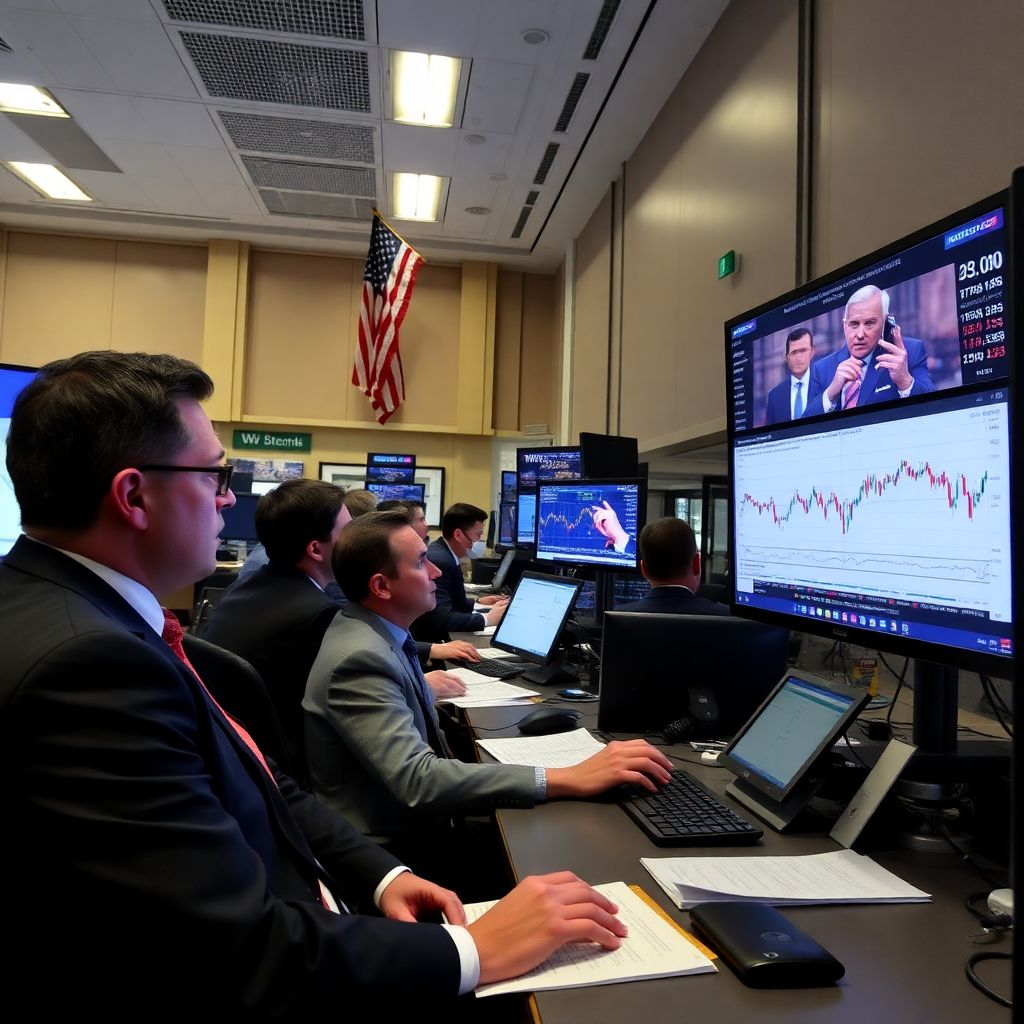
Spot Bitcoin ETFs Attract $458M as Trading Activity Hits Multi‑Month Peak Amid Mideast Turmoil
Spot Bitcoin exchange-traded funds in the United States started the week with a powerful surge in demand, pulling in hundreds of millions of dollars even as geopolitical tensions in the Middle East intensified and broader markets turned cautious.
On Monday, US spot Bitcoin ETFs registered approximately $458.2 million in net inflows, building on the previous week’s strong rebound, when products added around $787.3 million in aggregate, according to data from SoSoValue. These persistent inflows pushed total cumulative net capital moving into these funds to roughly $55.3 billion.
Trading activity in spot Bitcoin ETFs also accelerated. Daily volume climbed to about $5.8 billion, marking the most active session since early February. The jump in volume suggests not only fresh buying interest but also heightened participation from traders and market-makers as volatility and macro uncertainty rise.
The renewed appetite for spot Bitcoin exposure came as Bitcoin’s price itself advanced roughly 3% on Monday, based on CoinGecko figures. Market observers attributed the move to strong spot demand from US investors and an improvement in risk sentiment, despite the widening conflict involving the US and Iran in the Middle East and the associated risk-off undertone in traditional markets.
Institutional Flows Favor Bitcoin, but Altcoins Join the Rally
While Bitcoin remained the clear focal point for investors, alternative crypto asset funds also participated in the upswing, albeit on a smaller scale.
Ether-focused products attracted about $39 million in net inflows, confirming that institutions and sophisticated investors are still interested in the leading smart contract platform despite regulatory uncertainty and ongoing scrutiny around some digital asset products. Funds tracking Solana captured approximately $17 million, while XRP vehicles added around $7 million, underscoring a measured but consistent rotation into higher-beta altcoins.
This pattern – strong flows into Bitcoin and more modest allocations toward major altcoins – suggests investors are using BTC as a core exposure, with selective positioning in alternative layer-1s and payment tokens for additional upside potential.
BlackRock and Fidelity Dominate the ETF Leaderboard
Among the roster of spot Bitcoin products, BlackRock once again emerged as the primary magnet for capital. Its iShares Bitcoin Trust (IBIT) drew approximately $264 million in fresh inflows on Monday alone, according to data from Farside. The fund has quickly cemented itself as one of the largest and most influential vehicles for institutional Bitcoin exposure.
Fidelity’s Wise Origin Bitcoin Fund (FBTC) followed with about $95 million in net additions, reflecting persistent interest from wealth managers and advisory platforms that rely on Fidelity’s distribution network. Bitwise’s Bitcoin ETF (BITB) also posted notable activity, drawing roughly $36 million.
The concentration of inflows into a few large, brand‑name issuers underscores how traditional finance is gravitating toward established asset managers when it comes to allocating to digital assets. For many institutions, partners like BlackRock and Fidelity offer familiar operational and regulatory frameworks, which helps lower the perceived risk of adding Bitcoin to portfolios.
Bitcoin Holds Firm as Geopolitical Tensions Escalate
Despite an environment typically associated with flight-to-safety behavior in traditional assets, Bitcoin showed surprising resilience. Over the weekend, markets were rattled by news of a US strike on Iran, intensifying concerns that conflict in the Middle East could widen and fuel sustained volatility across risk assets.
Samson Mow, CEO of Jan3 and a long‑time Bitcoin advocate, highlighted that BTC remained notably stable through the weekend’s headline shocks. He observed that each bout of downward pressure was followed by a rebound, suggesting dip-buying interest and an underlying conviction among market participants. According to Mow, current market behavior “feels different” compared with previous months, when negative macro or geopolitical news often triggered more severe and lasting drawdowns.
Short‑Term Holders Show Unusual Nerve
On-chain and market structure analysts echo this view of improving resilience. Researchers at CryptoQuant pointed out that short‑term Bitcoin holders – typically the cohort most prone to panic selling – have not shown the same capitulation patterns that often accompany sharp pullbacks or macro‑driven scares.
According to their analysis, sell‑side pressure from recent buyers is fading. The initial burst of anxiety appears to be giving way to patience, or at least to a form of exhaustion in which would‑be sellers have already exited, leaving a more committed investor base. This behavior tends to support price stabilization and can set the stage for stronger trends once new catalysts emerge.
Halving Cycle and Macro Views Add to the Bullish Narrative
The constructive tone around Bitcoin is also being reinforced by longer‑term macro and cyclical perspectives. VanEck CEO Jan van Eck commented in a recent television interview that Bitcoin appears to be moving closer to a bottoming phase following its latest corrections. He expects the asset to gradually strengthen over the course of the year, emphasizing that Bitcoin’s four‑year halving cycle has been a central driver of price dynamics in recent months.
This view aligns with the historical pattern: in past cycles, periods following a halving often featured a consolidation phase before renewed uptrends, fueled by the combination of lower new supply and incremental demand. The growing popularity of spot ETFs may be amplifying this demand component, as they provide a straightforward, regulated bridge between traditional capital and the Bitcoin market.
Traditional Finance Sees Opportunity in Geopolitical Volatility
Notably, some major Wall Street institutions are framing the latest geopolitical escalation as a potential buying opportunity rather than a trigger to de‑risk. Analysts at JPMorgan, including strategist Mislav Matejka, reportedly argued that rising tensions tied to Iran should ultimately be seen as an opportunity to increase exposure, since core economic fundamentals remain supportive even if short‑term volatility picks up.
While their comments were aimed primarily at equities, the broader message – that markets may be overpricing geopolitical risk relative to the underlying macro backdrop – resonates with crypto as well. For investors looking at Bitcoin as a hedge against monetary debasement or geopolitical instability, price dips driven by fear rather than fundamentals can appear especially attractive.
Why Bitcoin ETFs Are Absorbing Capital Despite Uncertainty
The persistence of inflows into spot Bitcoin ETFs during a period of heightened global risk raises a key question: why are allocators still turning to BTC instead of stepping back entirely?
Several factors help explain this behavior:
1. Portfolio diversification: Even cautious institutions recognize that Bitcoin offers low long‑term correlation to many traditional asset classes, making it an appealing diversifier within a broader portfolio.
2. Regulated wrapper: Spot ETFs allow exposure without the operational complexities of custody, private keys, or crypto‑native infrastructure. This is particularly important for pensions, endowments, and conservative funds bound by strict compliance rules.
3. Liquidity and transparency: Large, exchange‑listed funds provide tight spreads, robust secondary market liquidity, and clear reporting – all core requirements for institutional allocation.
4. Macro thesis: With inflation and fiscal concerns still in focus globally, Bitcoin’s narrative as a scarce, non‑sovereign asset continues to resonate, especially when central banks signal a willingness to keep financial conditions relatively accommodative.
The Role of Retail vs. Institutional Demand
Although spot Bitcoin ETFs are often framed as institutional products, the line between professional and retail demand is increasingly blurred. Financial advisers, robo‑advisors, and brokerage platforms are now offering Bitcoin ETF allocations to a broad spectrum of clients, from high‑net‑worth individuals to smaller retail investors seeking simple exposure.
The strong inflows into products from BlackRock and Fidelity in particular suggest a mix of buyers. Institutional desks may be building strategic positions or hedging other exposures, while retail investors and advisers are likely taking advantage of market dips to add to longer‑term holdings via familiar brokerage accounts.
This diversified base of ETF holders can contribute to more stable liquidity conditions, especially compared with earlier phases of the crypto market that were dominated by highly leveraged derivatives and offshore exchanges.
What Rising ETF Volumes Signal for Bitcoin’s Next Phase
The spike in spot ETF trading volume to its highest level since early February is more than a technical footnote. Elevated volume in regulated products can indicate several important dynamics:
– Price discovery shifting toward traditional venues: As more trading activity occurs within ETF structures and aligned futures markets, price discovery gradually moves into more regulated channels.
– Greater involvement of market‑makers and arbitrageurs: High volume usually reflects active arbitrage between ETFs, futures, and spot exchanges, which helps keep prices aligned and markets more efficient.
– Growing comfort among large allocators: Sustained liquidity is a prerequisite for big funds that need to move in and out of positions without significantly impacting the market.
If these trends continue, Bitcoin’s price behavior may increasingly resemble that of established macro assets, where ETF flows and traditional order books play a central role.
Key Risks Investors Should Still Watch
Despite the positive flows and strengthening narratives, Bitcoin and crypto ETFs remain exposed to meaningful risks:
– Regulatory changes: Shifts in regulatory interpretation, new rules, or enforcement actions could impact how these products operate or how widely they can be distributed.
– Geopolitical escalation: While some investors see conflict‑driven volatility as an opportunity, a significant escalation could still weigh on risk assets across the board, including Bitcoin.
– Macro surprises: Unexpected moves in interest rates, inflation, or economic growth may alter the investment case for risk assets and safe havens alike.
– Market structure shocks: Issues at major exchanges, custodians, or infrastructure providers could ripple through both spot markets and ETF pricing.
For now, however, the data shows that US spot Bitcoin ETFs are attracting steady capital, even against a backdrop of conflict and uncertainty. With cumulative inflows surpassing $55 billion, daily trading volumes returning to multi‑month highs, and both institutional and retail channels engaged, Bitcoin appears to be consolidating its position as a mainstream macro asset – one that investors are increasingly unwilling to abandon, even when global tensions flare.