
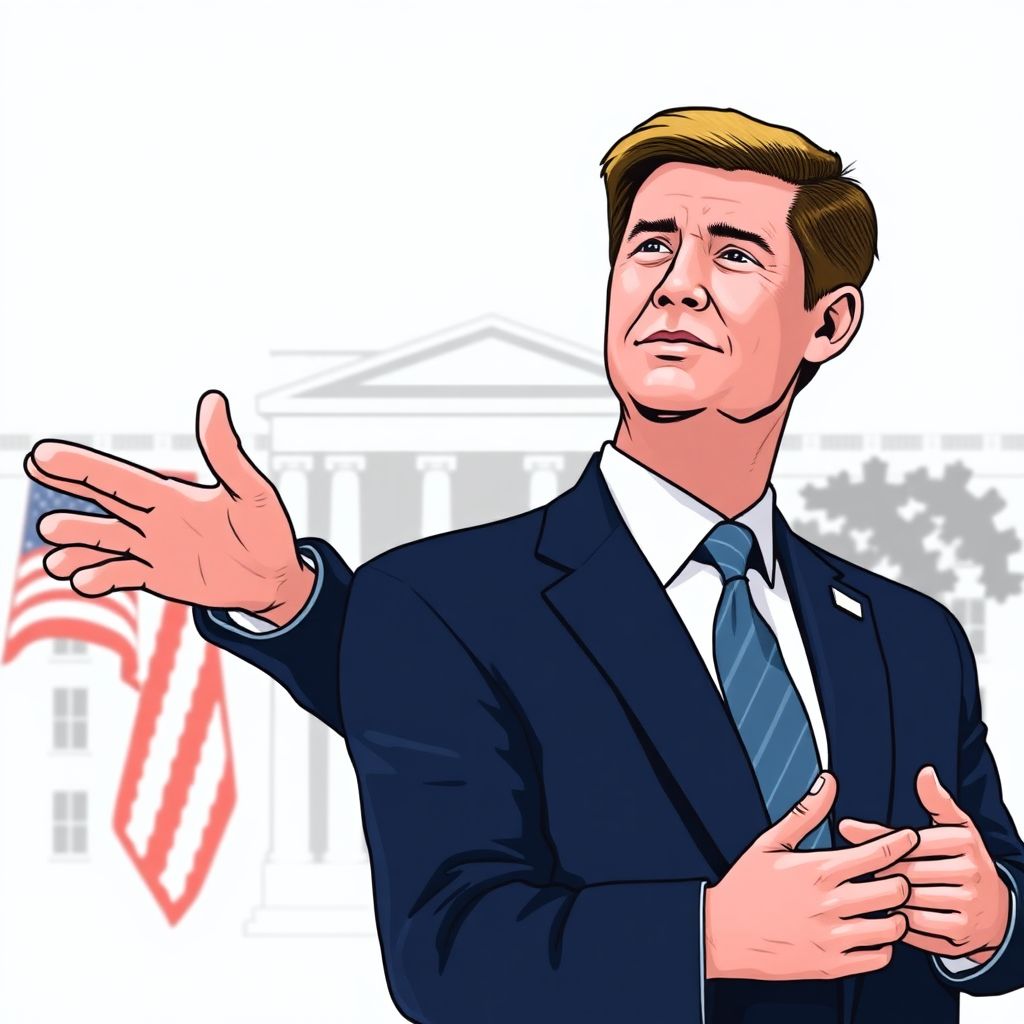
Polymarket, the decentralized prediction platform, has seen a notable spike in the probability that former FTX CEO Sam Bankman-Fried (SBF) could receive a presidential pardon from Donald Trump. The odds surged from 5.6% to 12% within just 12 hours following the surprising news that Binance founder Changpeng Zhao (CZ) was granted clemency. This dramatic jump reflects a broader speculation wave, with over $6.5 million wagered on the market titled “Who will Trump pardon in 2025,” including more than $300,000 staked specifically on SBF.
The increase in betting activity came shortly after CZ received a lenient four-month sentence, despite his admission of violating U.S. anti-money laundering regulations. This development has led some market participants to speculate that SBF—currently serving a 25-year prison sentence for fraud and conspiracy related to the collapse of FTX—might also find a path to clemency, particularly if Trump returns to the White House.
Another related market on Polymarket, focused on whether SBF will be released from custody in 2025, also experienced a sharp uptick. The odds climbed from 4.3% to as high as 19.1% before settling back to approximately 15.5%, signaling increased interest in the possibility of his early release.
Despite the betting enthusiasm, legal experts and industry veterans remain skeptical. Crypto attorney Jake Chervinsky expressed strong doubt, stating that he would be “truly shocked” if Trump were to offer a pardon. He emphasized that Bankman-Fried’s close financial ties to the Democratic party prior to FTX’s implosion in 2022 made him an unlikely candidate for forgiveness under a Republican administration. “His name is half punchline, half curse word in DC,” Chervinsky added, suggesting that any serious political figure would steer clear of publicly supporting SBF.
Comparisons between CZ and SBF have dominated the conversation. Many argue that their cases differ significantly in both magnitude and moral weight. While CZ was penalized for compliance failures—specifically allowing illicit funds to flow through Binance—he wasn’t accused of misappropriating user funds or defrauding customers. In contrast, SBF was found guilty of orchestrating a massive fraud involving billions in client assets.
Sasha Hodder, founder of the crypto-focused law firm Hodder Law, highlighted the fundamental differences between the two men. “CZ’s actions, while serious, were procedural and compliance-related,” she explained. “He didn’t steal from users, and Binance always honored withdrawals. That’s a world apart from what SBF did at FTX.”
Donald Trump himself weighed in on CZ’s situation, reportedly stating that he was told CZ’s actions “weren’t even a crime” and that the Binance CEO had been unjustly targeted by the Biden administration. It’s worth noting that CZ is also a known supporter of World Liberty Financial, a pro-Trump crypto initiative, which may have influenced political attitudes toward his case.
The broader crypto community remains divided. Some argue that SBF, given the scale and consequences of his actions, should serve his full sentence. Others believe that if political considerations begin to outweigh legal ones—as potentially evidenced by CZ’s pardon—then SBF might have a slim, albeit controversial, chance at clemency.
From a legal perspective, SBF has submitted an appeal to reduce his sentence, but experts suggest that the judicial process is unlikely to yield any significant changes before the end of the year. Given this timeline, a presidential pardon—however improbable—may be his only path to early release before January 2025.
The increased speculation on platforms like Polymarket reveals more than just shifting odds; it underscores the complex intersection of justice, politics, and public opinion in high-profile crypto cases. As the 2024 presidential election approaches, figures like SBF may become pawns in larger political narratives, where decisions about clemency could reflect broader ideological battles rather than purely judicial reasoning.
Moreover, the rising popularity of prediction markets like Polymarket highlights a growing trend in how the public engages with political and legal uncertainty. These platforms offer real-time sentiment analysis, often reacting faster than traditional media or polling data. While they don’t dictate outcomes, they do offer insight into where public expectations are heading.
The SBF case also continues to serve as a cautionary tale for the crypto industry. His dramatic fall from grace—from billionaire founder to convicted felon—has reshaped regulatory discussions in Washington and beyond. Some believe that granting him a pardon could undermine public trust in efforts to clean up the sector, while others argue that political allegiances and lobbying may once again distort accountability.
In the end, whether Bankman-Fried receives a pardon will depend not just on legal merit or moral reasoning, but on the political landscape of 2025. With Trump potentially returning to office and flexing executive powers, many in the crypto world are watching closely—not just to see what happens to SBF, but to understand how justice will be defined in the post-FTX era.