
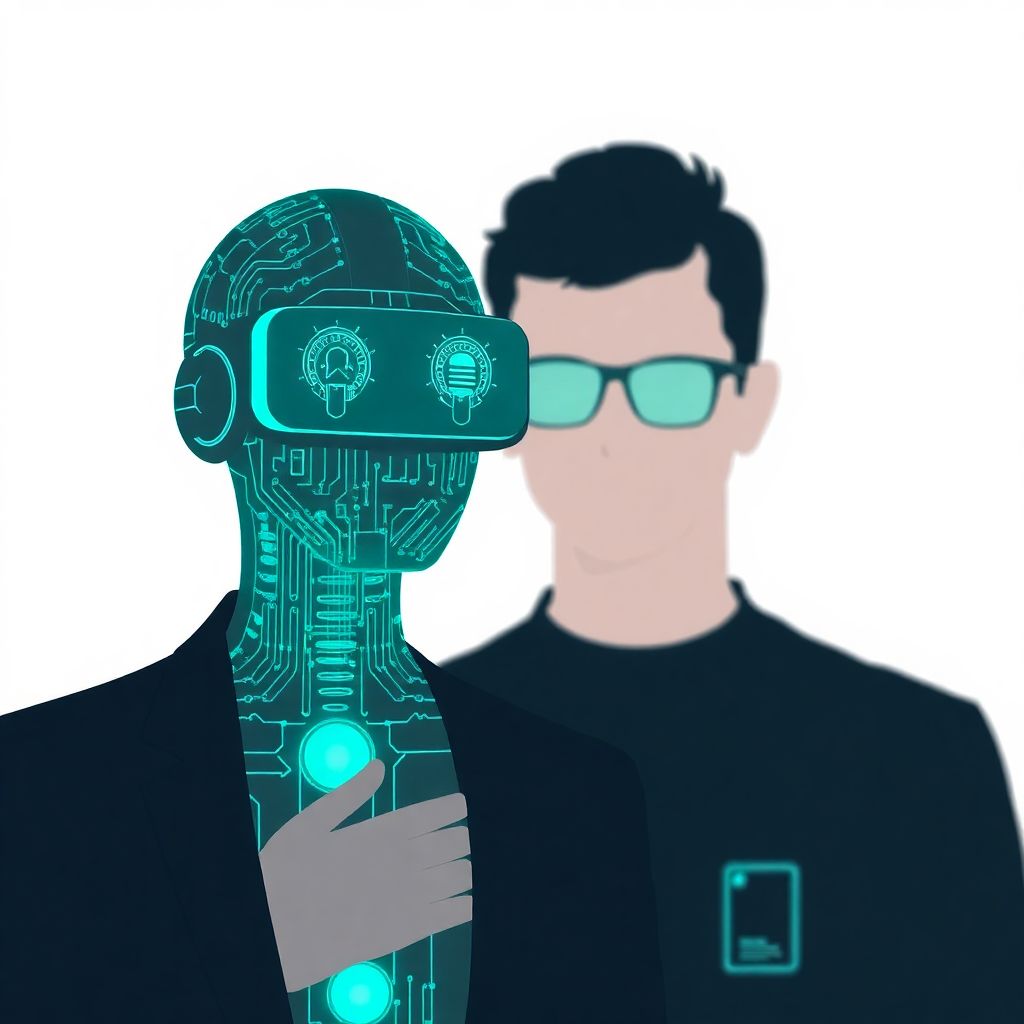
AI-Powered Wearables Are Redefining Privacy Norms in the Digital Age
As artificial intelligence becomes increasingly embedded into our daily lives, wearable technology is ushering in a new era of constant, intimate surveillance. Unlike previous forms of data collection, which focused on online behavior or location tracking, AI-driven wearables delve into our emotional states, vocal nuances, and even biometric signals. With this shift, society faces a transformative moment: our traditional understanding of privacy is no longer sufficient.
The Evolution of Surveillance: From Observation to Introspection
Historically, surveillance was a matter of physical presence. Authorities relied on visible monitoring—patrol officers, detectives, and later, fixed cameras—to maintain order. But as technological capabilities advanced, so did methods of observation. Satellite imagery, internet activity tracking, and mass data harvesting became the norm, sparking intense debates around personal freedoms and governmental overreach.
Civil liberties advocates raised alarms when CCTV cameras first appeared in public spaces, warning of a creeping “Big Brother” reality. Yet over time, the public grew accustomed to these measures, often accepting them in exchange for perceived safety and convenience.
Wearables and the Infinite Panopticon
Today, we’ve entered what could be described as the “infinite panopticon” — a world where surveillance is not just omnipresent but invisible, embedded within the very tools we use to navigate daily life. Smart glasses, biometric-enabled watches, voice-activated assistants, and even connected vehicles continuously collect data, often without explicit user awareness.
Unlike earlier devices that harvested search histories or browsing behavior, modern wearables are increasingly focused on extracting real-time, deeply personal data. Your tone of voice, facial expressions, heart rate, and even subconscious reactions are now valuable assets in the data economy.
From Google Glass to Smart Eyewear: The Normalization of Augmented Surveillance
When Google introduced its Glass headset in 2013, the world reacted with skepticism and privacy concerns. Yet a decade later, such devices have paved the way for more advanced models like Meta’s Ray-Ban Smart Glasses and Apple’s forthcoming AR glasses. These gadgets allow users to interact seamlessly with digital environments—making calls, analyzing surroundings, and communicating with AI assistants—all while quietly capturing a wealth of personal information.
This evolution reflects a broader trend: the fusion of human and machine is no longer a futuristic concept but a present-day reality. What was once considered intrusive is now marketed as innovative.
The Trade-Off: Convenience for Intimacy
Big Tech continues to offer a familiar bargain: cutting-edge features in exchange for access to your most sensitive data. But the stakes are higher now. Instead of just knowing what you like or where you go, companies can infer how you feel, how you think, and even how you might react in various situations.
The implications of this shift are profound. While some may view it as a loss of autonomy, others see it as an inevitable progression—one that offers immense benefits in areas like healthcare, education, and productivity.
Cryptographic Solutions: Protecting Privacy in a Transparent World
Despite the challenges, there are emerging technologies that promise to protect individual privacy without halting innovation. One such breakthrough is zero-knowledge (ZK) proofs, a cryptographic method that allows data verification without revealing the actual data.
This means systems can confirm your age, identity, or health condition without ever exposing that information to third parties. In essence, it allows for secure, anonymous participation in a digital world increasingly reliant on data.
The Road Ahead: From Passive Subjects to Active Participants
For too long, users have been passive recipients in the data exchange—clicking “agree” without fully understanding the implications. But as the conversation around digital sovereignty gains momentum, individuals are beginning to demand more control over their personal information.
Wearables could mark the turning point. By implementing cryptographic protections and transparent data policies, it’s possible to create a model where users are not merely observed, but empowered.
Balancing Innovation and Ethics
As AI wearables become more integrated into healthcare diagnostics, workplace monitoring, and everyday communication, ethical questions will multiply. How do we prevent misuse of emotional data? Who decides what metrics are collected and how they are interpreted? And most importantly, how do we build a system that respects human dignity?
These are not just technical challenges—they are societal ones. Governments, developers, and users alike must collaborate to establish clear boundaries and accountability measures before surveillance becomes irreversible.
Digital Literacy Is Key
One critical step toward a more balanced future is enhancing digital literacy. As wearables become commonplace, users must understand what data is collected, how it’s used, and what rights they retain. Education around digital footprints and encryption tools will be essential in ensuring people can make informed decisions.
Regulatory Frameworks Must Evolve
Current privacy laws are often outdated and unable to address the nuanced data AI wearables collect. Policymakers need to act swiftly, creating flexible yet robust frameworks that protect personal autonomy without stifling innovation. This includes defining acceptable use cases, enforcing transparency, and supporting technologies like ZK-proofs.
A Future Where Privacy and Progress Coexist
We’re at a crossroads. The rise of AI-powered wearables doesn’t have to result in a surveillance dystopia. With the right technologies, regulations, and public awareness, it’s possible to build a future where privacy is preserved, even as our tools become more intelligent and integrated.
This transition requires collective action, but the reward is a digital society that values both innovation and individual rights. The challenge now is to ensure that as wearables become more pervasive, our standards for privacy rise to meet them.