
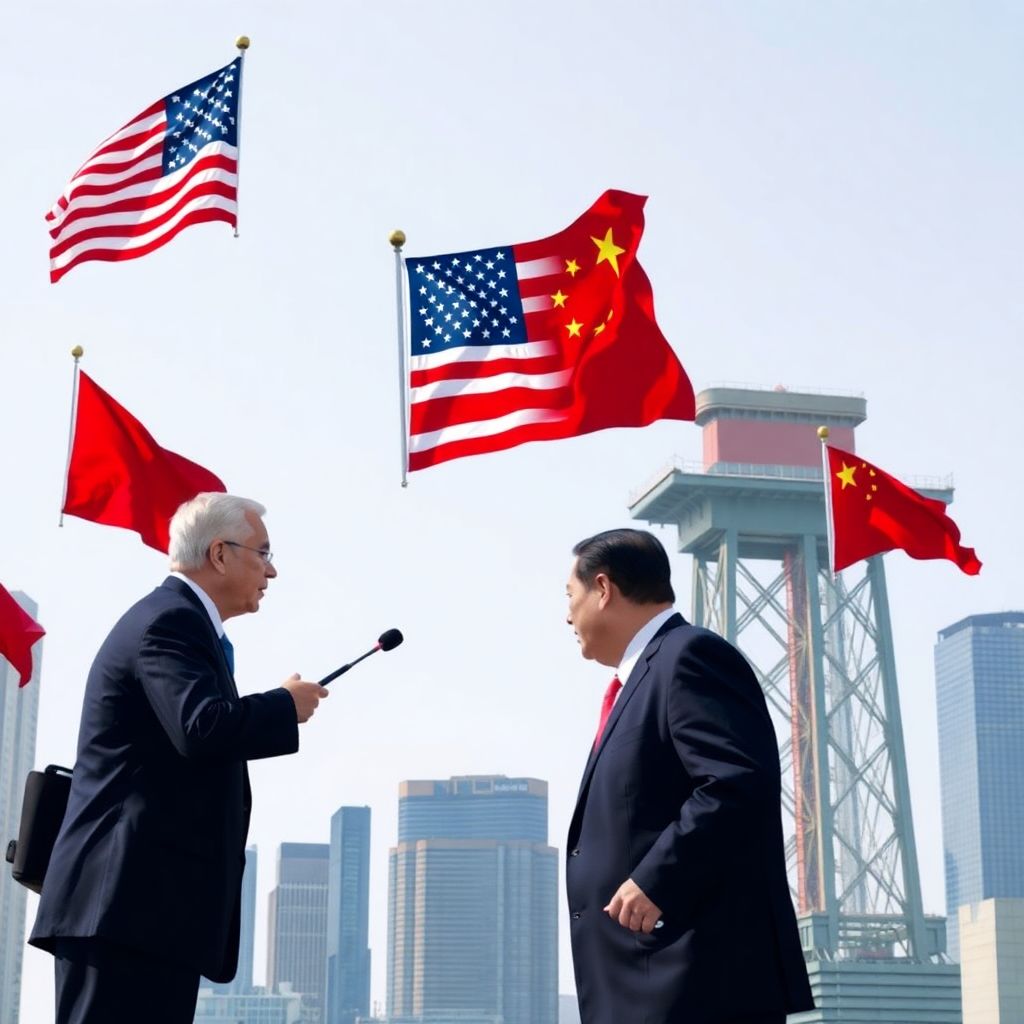
US-China Trade Tensions Ease, Fueling Market Optimism
Signs of a thaw in the ongoing trade dispute between the United States and China have sparked cautious optimism among investors and analysts, as both nations took a more conciliatory tone over the weekend. Following days of escalating rhetoric and policy moves that rattled global markets, officials from Washington and Beijing issued statements suggesting a renewed openness to dialogue and negotiation.
On Sunday, representatives from both governments indicated they were prepared to re-engage in trade talks. In a translated statement, China’s Ministry of Commerce expressed a willingness to enhance communication with other countries regarding trade practices and the recently introduced restrictions on the export of rare earth minerals—materials critical for numerous technologies, including electric vehicles and electronics. These export controls had previously ignited fresh concerns about supply chain disruptions and further strains in US-China relations.
China also hinted at possible exemptions within the new rare earth policy framework, aiming to preserve trade flows and support global supply chain stability. The announcement included a commitment to “actively consider” license exemptions and other facilitative measures.
The United States responded positively to this shift in tone. Although US President Donald Trump had previously escalated tensions by imposing 100% tariffs on Chinese imports in retaliation for Beijing’s rare earth restrictions, the change in rhetoric from both sides over the weekend has led analysts to speculate about a potential cooling-off period.
Trump’s initial reaction to China’s policy caused widespread panic in financial markets, particularly in the cryptocurrency sector. His Friday announcement triggered one of the most severe liquidation events in crypto history, with Bitcoin crashing to as low as $102,000 on Binance due to the uncertainty surrounding global trade and investment flows.
Despite the prior hardline stance, Trump’s softer tone on Sunday marked a potential turning point. Analysts at The Kobeissi Letter noted that if Trump continued to de-escalate, markets could experience a significant rebound as early as Monday. “Market sentiment remains highly sensitive to Trump’s statements,” the analysts said, highlighting the influence of presidential communications on short-term market movements.
While Trump had previously dismissed the need to meet with Chinese President Xi Jinping at the upcoming Asia-Pacific Economic Cooperation (APEC) summit in Seoul, some insiders suggest the meeting is inevitable. Jeff Park, an advisor at Bitwise Asset Management, argued that Trump’s motivations go beyond policy. “He thrives on spectacle, historical significance, and high-profile events,” Park said, suggesting that the summit’s ceremonial significance could be enough to ensure his attendance.
This shift in diplomatic tone comes after months of heightened tensions, sparked initially by the US imposing tariffs on Chinese goods. Those tariffs led to retaliatory measures from China and created ripple effects across global markets, particularly in trade-sensitive sectors like technology and manufacturing. The potential for renewed dialogue now opens the door for a more stable environment in the near future.
The rare earth minerals at the core of this latest dispute are essential for the production of everything from smartphones to military equipment. China controls a substantial portion of the global supply, making its policy decisions critical to international trade flows. Any export restrictions have significant implications for global manufacturing and technology development.
The possibility of exemptions in China’s export policy could also signal a strategic move to reduce global backlash and maintain its position as a dominant player in the rare earth market. By showing flexibility, China may be attempting to avoid further isolation and preserve key trade relationships.
From a market perspective, this diplomatic softening could act as a catalyst for recovery, especially for sectors that have been under pressure due to geopolitical uncertainty. Investors are watching closely for any concrete steps toward negotiations, which would signal a broader de-escalation beyond rhetoric.
For the cryptocurrency market, which has proven highly sensitive to geopolitical developments, the easing of US-China tensions could restore some stability. Analysts suggest that a reduction in global uncertainty might encourage renewed institutional investment in digital assets, which had seen significant outflows during the recent turmoil.
In the broader context of global trade, this development could also influence ongoing negotiations with other major economies. As the world grapples with inflation, supply chain disruptions, and shifting alliances, a more cooperative stance between the US and China could set a new tone for international economic relations.
Looking forward, the APEC summit at the end of October may serve as a crucial moment for diplomacy. Whether or not Trump and Xi meet, the level of engagement between the two nations at the event will provide important clues about the future trajectory of their trade relationship.
In conclusion, while the path forward remains uncertain, the recent easing in tone from both Washington and Beijing has provided a glimmer of hope for investors, businesses, and policymakers alike. A return to the negotiating table could mark the beginning of a more stable phase in one of the world’s most critical bilateral relationships.