
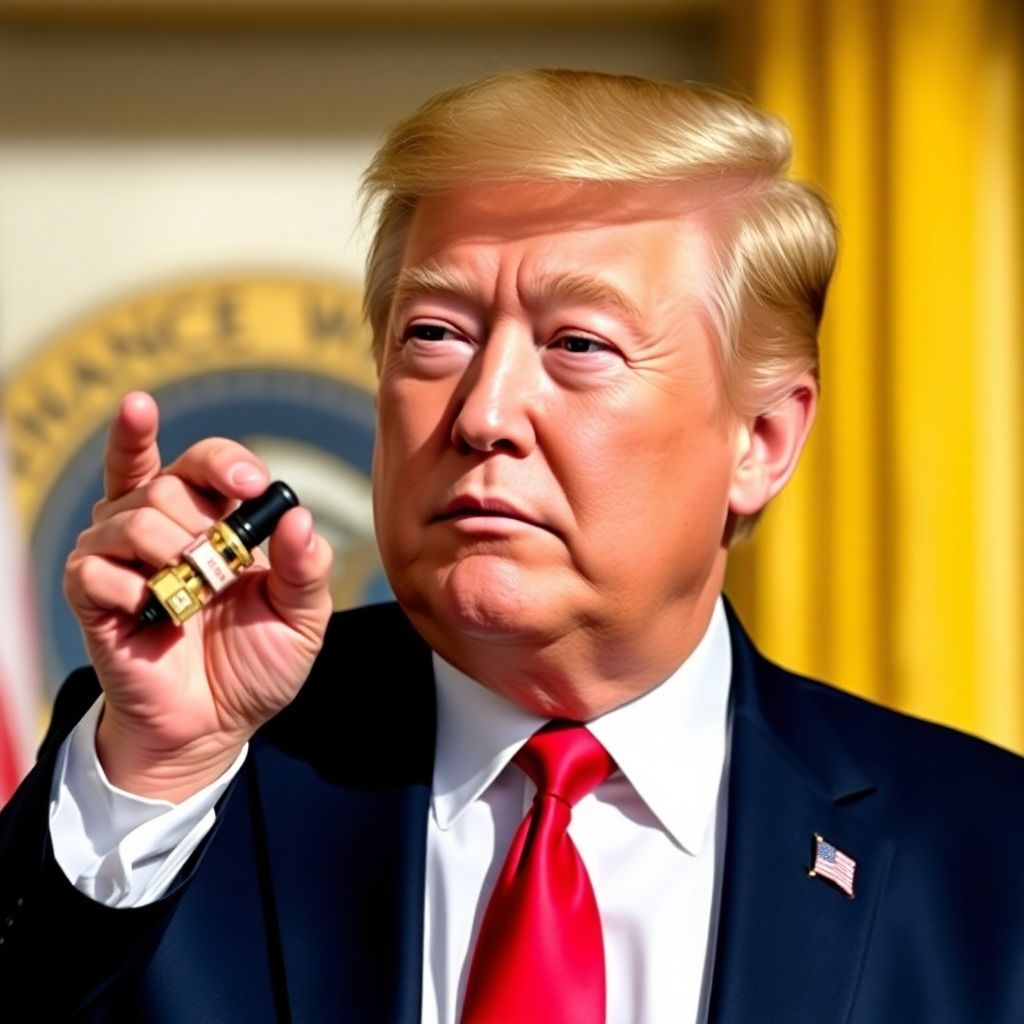
Trump Justifies Pardon of Binance Founder CZ, Citing Lack of Criminal Intent
Former U.S. President Donald Trump has defended his decision to pardon Binance founder Changpeng “CZ” Zhao, stating that many influential voices within the crypto industry convinced him that Zhao’s actions did not constitute a crime. Trump said the recommendation came from “a lot of people” who assured him that Zhao was not guilty of any malicious wrongdoing, despite the legal issues that led to Zhao’s conviction.
Zhao, who had pled guilty to violating the U.S. Bank Secrecy Act for failing to implement an adequate anti-money laundering (AML) program at Binance, was sentenced to four months in prison. However, Trump’s pardon nullifies that sentence, potentially clearing a path for CZ to return to a leadership role in the cryptocurrency space.
During a Thursday press conference, Trump emphasized that the decision was made after significant advocacy from crypto leaders and stakeholders who highlighted the non-fraudulent nature of Zhao’s legal infraction. “They told me what he did isn’t even considered a crime,” Trump stated. “There were no victims, no fraud, no malicious intent.”
Attorney Teresa Goody Guillén, representing CZ, echoed this sentiment, calling the single charge of failing to maintain a compliance program largely administrative. “He has no criminal history, no fraud involvement, and no allegations of money laundering. This was a regulatory error, not a criminal offense,” she noted. Guillén also pointed out that Zhao is the first known individual in U.S. history to receive a prison sentence for this type of first-time, non-fraud-related offense.
The presidential pardon was formally issued on Wednesday and later confirmed by Binance through an official statement. CZ responded to the news on X (formerly Twitter), expressing profound gratitude for the pardon and reaffirming his commitment to the crypto space. “We’ll do everything we can to help make America the Capital of Crypto and advance Web3 innovation around the world,” he wrote.
As part of the original plea agreement with U.S. authorities, Zhao resigned as CEO of Binance and was barred from holding any executive role at the exchange. The pardon may now open the door for his eventual return to Binance, depending on regulatory approval and internal board decisions.
The move has sparked debate across the financial and political spectrum. Supporters argue that the pardon recognizes the unique nature of the case, distinguishing between administrative missteps and actual criminal conduct. Critics, however, worry it sets a dangerous precedent by downplaying compliance obligations in the financial sector.
Zhao’s case has also reignited conversations about the U.S. regulatory approach to crypto. Many in the industry have long criticized the lack of clear guidelines and the often punitive posture taken by regulators. The incident underscores the mounting tension between innovation and regulation in the digital asset space.
The pardon could also influence global perceptions of U.S. crypto policy. By signaling a more lenient stance, it may encourage blockchain entrepreneurs and companies to consider the United States as a more viable and welcoming hub for crypto innovation. CZ himself has stated his vision of turning the U.S. into a global leader in Web3 development.
Industry analysts are now watching closely to see how Zhao reintegrates into the crypto ecosystem. While his return to Binance remains uncertain, his influence in the sector is unquestionable. Many expect him to take on an advisory or strategic role, helping shape the future of both Binance and the broader digital economy.
In parallel, the case has triggered calls for reform in how the U.S. handles compliance violations in fintech and crypto. Legal experts argue that more nuanced approaches are needed—ones that distinguish between willful misconduct and technical noncompliance.
Furthermore, the incident has amplified discussions about the balance between innovation and enforcement. While financial regulations are crucial to prevent abuse, overly aggressive penalties for administrative lapses could stifle technological progress and deter entrepreneurship.
CZ’s pardon could also have long-term implications for executive accountability. It raises questions about how much responsibility corporate leaders should bear for regulatory shortcomings in rapidly evolving industries such as crypto. Some believe this may pave the way for more measured enforcement policies that prioritize corrective action over punishment.
As the crypto sector continues to mature, the resolution of high-profile cases like this one will likely shape the legal and regulatory landscape for years to come. With Trump’s pardon, CZ may now have the opportunity to contribute to that evolution more directly, advocating for fairer policies and more supportive environments for digital innovation.
In the end, the case of Changpeng Zhao is more than a legal anomaly—it’s a litmus test for how America chooses to engage with the rapidly transforming world of finance. Whether the pardon marks a turning point or a mere exception remains to be seen, but its impact will echo across both courtrooms and crypto forums alike.