
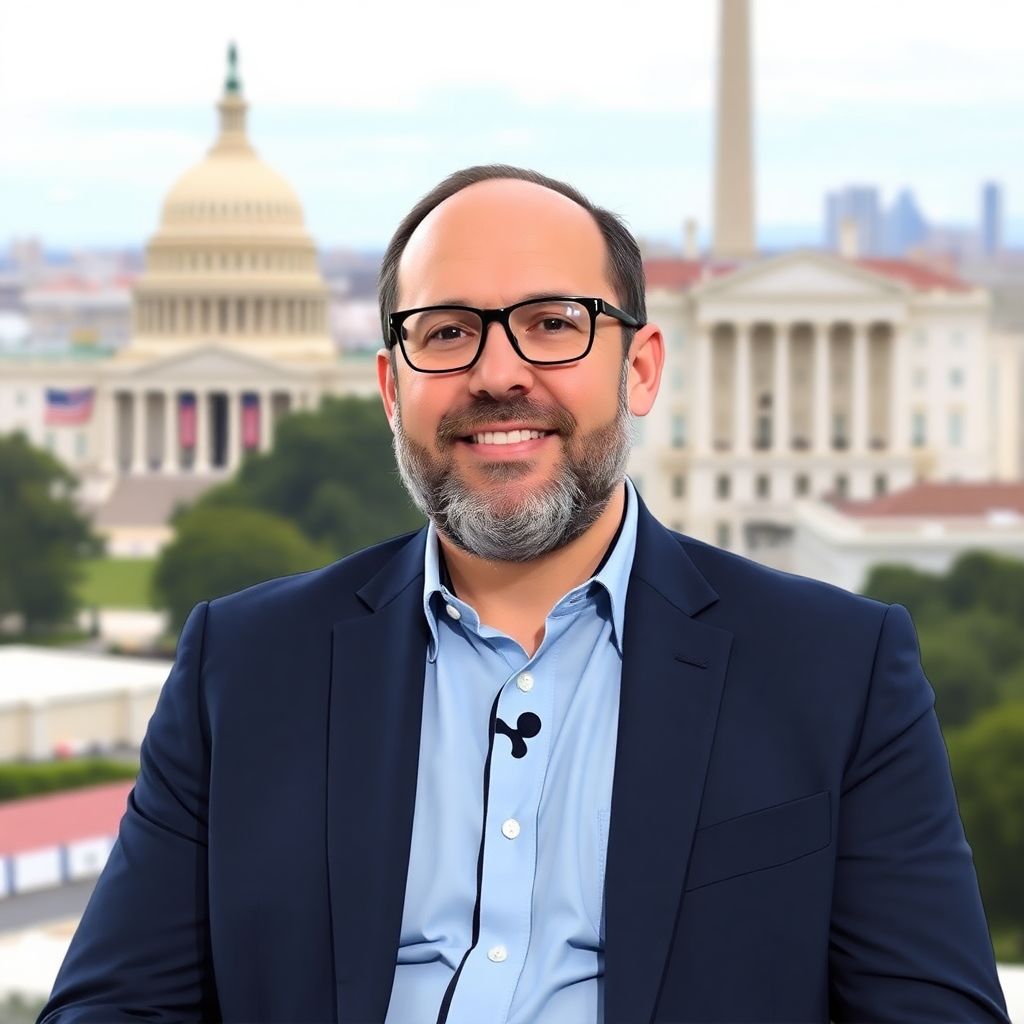
Ripple CEO Brad Garlinghouse has made it clear that the company is aggressively advancing its position in the U.S. crypto market. Speaking at the DC Fintech 2025 conference, he emphasized Ripple’s proactive strategy following its legal battle with the SEC. Garlinghouse described the company’s current posture as “playing offense,” underscoring an ambitious expansion plan centered on payments, digital asset custody, and stablecoins.
Highlighting recent moves, Garlinghouse pointed to Ripple’s $1.25 billion acquisition of Hidden Road, a prime brokerage firm, and a $200 million purchase of stablecoin infrastructure provider Rail. These deals demonstrate Ripple’s commitment to scaling its enterprise offerings and deepening its influence in the digital finance sector. He signaled that further announcements are on the horizon, stating, “We believe now is the right time to double down on investment.”
Garlinghouse attributed this renewed confidence to a shift in the political climate in Washington. Following Ripple’s partial legal victory over the SEC, he believes regulatory momentum is moving in favor of the crypto industry. He described Ripple as having been “at the forefront” of the U.S. government’s crackdown on crypto, particularly through the actions of the SEC under Chair Gary Gensler. However, he argued that the confrontation elevated Ripple’s profile and forced policymakers to engage more seriously with the blockchain sector.
One key development Garlinghouse highlighted was the bipartisan passage of the Clarity for Digital Tokens Act in the House of Representatives. “When you have over 70 Democrats crossing the aisle to support a Republican-led bill, it’s a clear indicator that there’s a unified interest in embracing this technology,” he said. He stressed that the blockchain and crypto debate should be nonpartisan, comparing it to debating whether one political party is for or against email.
Garlinghouse didn’t hold back in criticizing the SEC’s regulatory approach. He cited a federal judge’s comment during Ripple’s court case that the SEC was not acting in accordance with the law, describing it as a damning statement, especially coming from a judge appointed by President Obama. He argued that the SEC’s enforcement-first method hurt innovation and drove crypto activity offshore, where consumer protections are weaker.
To clarify ongoing confusion, Garlinghouse drew a sharp distinction between Ripple, the company, and XRP, the digital asset. He reiterated that XRP has no CEO and is an open-source technology, unlike Ripple, which is a private firm with shareholders and a governance structure. “People often conflate the two, but Ripple doesn’t control the XRP Ledger. Amendments have passed that we didn’t agree with—and that’s exactly how decentralized governance should work,” he explained. Changes to the ledger’s protocol require 80% community approval, underscoring its decentralized nature.
On the subject of financial infrastructure, Garlinghouse called for equal treatment of crypto firms in the banking system. He urged regulators to apply the same compliance standards, such as AML, KYC, and OFAC requirements, to both traditional and digital financial institutions. “If we’re held to the same standards, we should also have equal access to infrastructure like a Federal Reserve master account,” he argued. He revealed that Ripple has applied for a national bank charter and believes that granting master account access to companies like Ripple and Circle could help stabilize the stablecoin ecosystem, particularly if these companies operate under full regulatory oversight.
Ripple’s push into the stablecoin market is already underway. Garlinghouse noted that the company launched its stablecoin under a New York trust license, which he referred to as “the gold standard” for serving institutional clients. This regulatory approach, he argued, delivers the compliance rigor expected by large financial institutions while enabling innovation.
Looking beyond U.S. borders, Ripple’s strategy also includes expanding in international markets that offer clearer regulatory frameworks. The company has already increased its footprint in regions like Europe and Asia, where governments have taken a more collaborative approach to crypto regulation. These markets offer Ripple a chance to pilot new financial products and forge partnerships without the burden of regulatory hostility.
Garlinghouse also emphasized the importance of education and advocacy. Ripple has been actively engaging with lawmakers and regulators to help shape policies that encourage responsible innovation. By investing in regulatory dialogue, Ripple hopes to bridge the gap between traditional finance and blockchain-based systems, making the broader financial ecosystem more inclusive and efficient.
In terms of technology, Ripple continues to enhance its payments network, leveraging the XRP Ledger for cross-border transactions. The company’s On-Demand Liquidity (ODL) solution has already gained traction among financial institutions, offering faster and cheaper remittances. With the addition of stablecoin capabilities and custodial services, Ripple aims to create a comprehensive financial infrastructure that competes with legacy systems.
Ultimately, Garlinghouse’s message is clear: Ripple is not slowing down. With a reinforced legal position, strategic acquisitions, and expanded regulatory engagement, the company sees itself as a leader in shaping the future of digital finance in the U.S. and beyond. The goal is not only to comply with regulation but to help define it—ensuring that blockchain technology is integrated into the financial system in a way that benefits both consumers and institutions.