
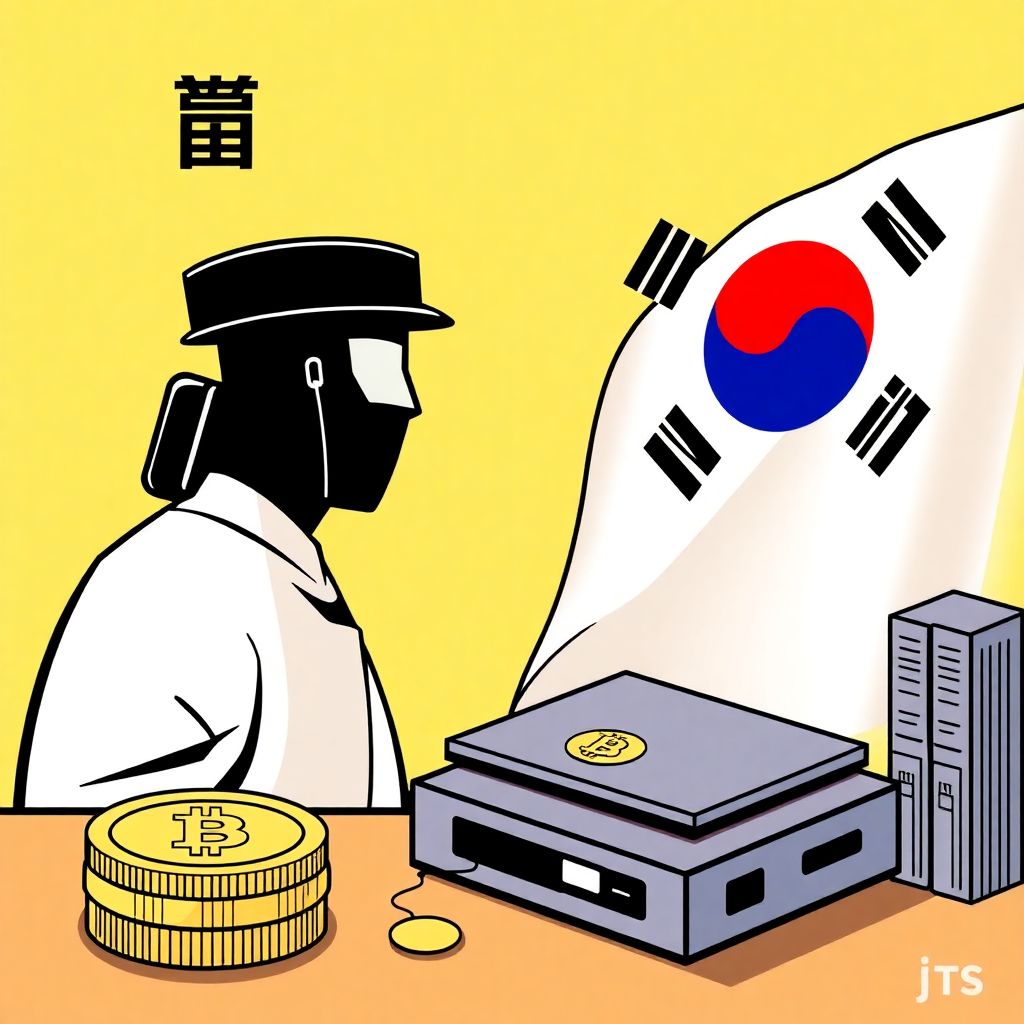
South Korea Intensifies Crypto Crackdown, Targets Cold Wallets in Tax Evasion Efforts
South Korea’s National Tax Service (NTS) is escalating its enforcement measures against tax evasion involving cryptocurrencies, expanding its focus to include crypto assets stored in cold wallets—offline storage devices traditionally considered secure and private. The agency has confirmed that it will not hesitate to conduct home searches and seize physical devices like hard drives and hardware wallets if there is evidence suggesting hidden crypto holdings.
Over a four-year span, the NTS has already confiscated and liquidated digital assets worth approximately $108 million from over 14,000 individuals flagged for tax delinquency. This aggressive pursuit is part of a broader initiative to tighten control over the growing use of cryptocurrencies and counteract the rising rate of crypto-related tax evasion in the country.
According to an official cited in a report by a local news outlet, the agency utilizes blockchain analysis tools to track transaction records of suspected tax evaders. If patterns suggest that assets have been transferred to offline storage to avoid detection, authorities are prepared to raid residences and seize cold wallets. These actions are authorized under the National Tax Collection Act, which grants the NTS powers to obtain account details from domestic exchanges, freeze funds, and sell off assets to recover unpaid taxes.
Cold wallets, which store cryptocurrency keys offline and are disconnected from the internet, offer enhanced security against cyberattacks. However, this same feature also makes them a convenient tool for concealing assets from regulatory oversight. The NTS stresses that such tactics will not provide immunity from legal consequences.
The move represents a shift in tax enforcement strategy as crypto investment becomes more mainstream in South Korea. As of mid-2025, the number of individual crypto investors in the country has surged to nearly 11 million—an exponential increase from 1.2 million investors recorded in 2020. Alongside this growth, trading volume has also ballooned, rising from 1 trillion won (approximately $730 million) in 2020 to 6.4 trillion won (around $4.7 billion) by 2025.
With this surge in adoption, there has been a corresponding increase in attempts to use cryptocurrencies for tax evasion. The NTS first began seizing digital assets in 2021, confiscating about $50 million from over 5,700 tax offenders. As the crypto landscape evolved, so did the sophistication of concealment tactics—prompting the agency to enhance its investigative tools and expand its jurisdiction to include cold storage systems.
Further compounding the issue, South Korea’s Financial Intelligence Unit (FIU) recently reported an unprecedented rise in suspicious transaction reports (STRs) filed by Virtual Asset Service Providers (VASPs). As of August 2025, nearly 37,000 STRs had been submitted—surpassing the combined total of such reports from both 2023 and 2024. STRs serve as a vital element of South Korea’s Anti-Money Laundering (AML) framework, flagging transactions that may involve illicit activities or unreported income.
The increase in STRs not only highlights the scale of the problem but also underscores the urgency felt by regulators to plug the gaps in oversight mechanisms. In particular, the NTS is concerned about the role of cold wallets in facilitating the laundering of illicit funds and the concealment of taxable income.
Legal experts note that this aggressive stance could set a precedent for other countries grappling with the challenges of crypto regulation. While cold wallets have long been viewed as a safeguard for individual privacy and asset protection, they may soon come under greater global scrutiny, especially in jurisdictions where tax compliance and financial transparency are prioritized.
The South Korean government is also exploring additional regulatory frameworks that would mandate more extensive reporting obligations for crypto holders. Future proposals may include mandatory registration of cold wallets, stricter Know Your Customer (KYC) requirements for wallet providers, and automated income tracking systems that sync with blockchain analytics platforms.
These developments come amid broader global concerns about the use of digital assets to bypass traditional financial systems and evade taxation. International bodies such as the Financial Action Task Force (FATF) have urged member states to take more robust action in monitoring crypto transactions and enforcing compliance with tax and AML laws.
From a policy standpoint, South Korea’s approach illustrates a growing recognition that cryptocurrency is not just a speculative asset class but also a potential vector for financial misconduct if left unchecked. By targeting cold wallets, the NTS is sending a clear message: no form of crypto storage is beyond the reach of law enforcement.
For crypto investors and holders in South Korea, the implications are significant. Those who have relied on cold wallets to keep their financial activities private may now face unexpected scrutiny. Legal advisors recommend that individuals ensure full tax compliance and maintain transparent records of their crypto transactions to avoid legal repercussions.
Additionally, the shift in enforcement highlights the importance of understanding the legal responsibilities associated with holding digital assets. As regulatory frameworks evolve, crypto users must stay informed about changes in tax law, reporting requirements, and asset disclosure obligations.
In the coming months, the NTS is expected to roll out new technological tools that will further enhance its capacity to detect hidden assets. These may include AI-driven analytics systems, real-time blockchain monitoring dashboards, and cross-border data-sharing agreements with foreign tax authorities.
As more jurisdictions follow South Korea’s lead, the era of untraceable crypto holdings may be coming to an end. The message is clear: while technology evolves, so too do the tools and tactics of regulators determined to ensure compliance in the digital economy.