
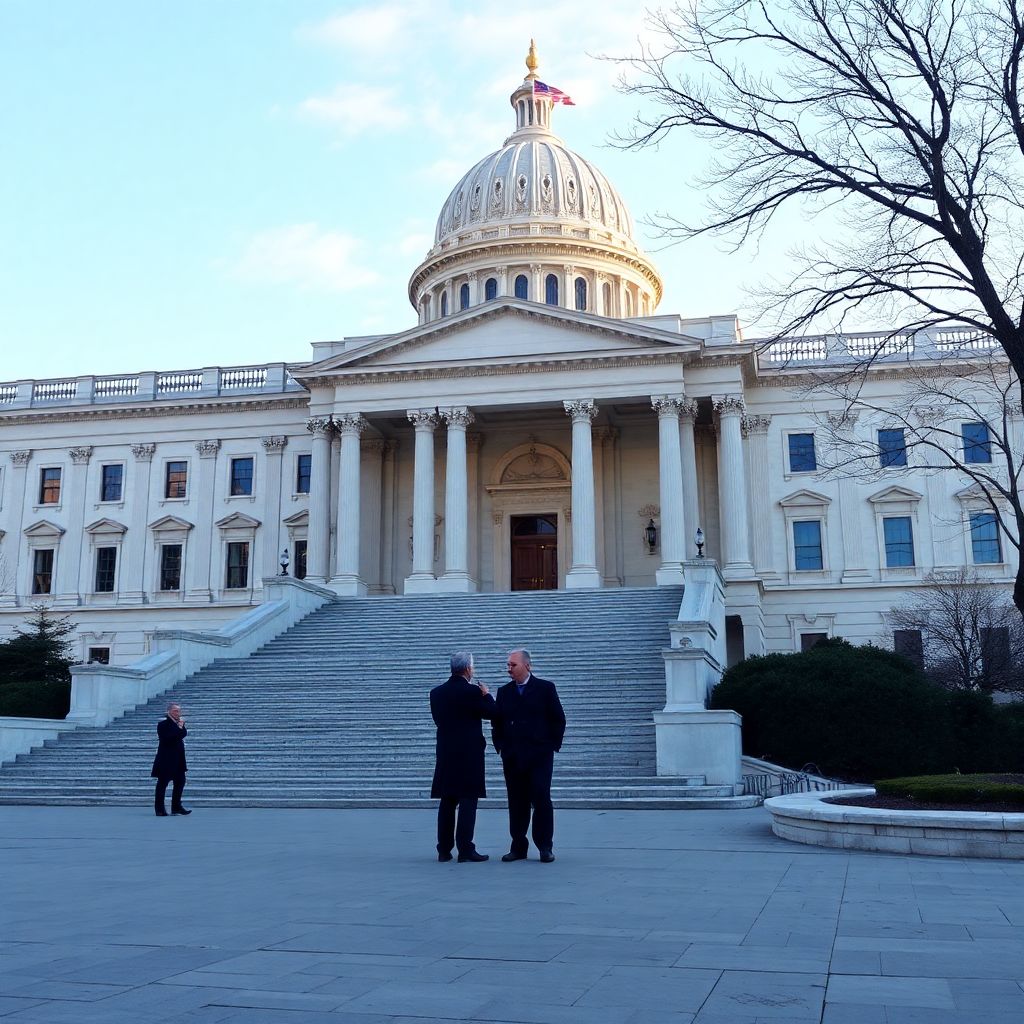
Senate Passes Funding Bill to End Government Shutdown, Awaits House Approval
The United States Senate has approved a crucial funding measure aimed at ending the longest government shutdown in the nation’s history, moving the country one step closer to restoring full federal operations. The bill, which passed with a 60-40 vote late Monday night, provides continued appropriations and extensions for the fiscal year 2026. However, the shutdown remains in effect until the House of Representatives votes on the measure and President Donald Trump signs it into law.
The legislation is designed to finance government operations through January 31, 2026, offering temporary relief from the budget deadlock that has paralyzed Washington for over 40 days. The House is expected to consider the bill no earlier than Wednesday, as Tuesday marks a federal holiday and legislative sessions are paused.
The shutdown, driven by a stalemate over broader budget issues, has resulted in widespread disruption across federal agencies. Thousands of government employees have been furloughed, while critical services have been scaled back due to the lack of funding. Agencies such as the Securities and Exchange Commission (SEC) have suspended most operations, and under their current contingency plans, staff will only return on the first regular workday after a funding bill is enacted.
The delay in passing the bill has had ripple effects beyond federal employment. It has also slowed progress on key legislative priorities, including a comprehensive crypto market regulation bill. The Senate Agriculture Committee recently released a discussion draft of the proposal, reflecting bipartisan negotiations that have been ongoing for weeks. The draft comes months after the House passed its version, but the shutdown stalled momentum in both the Agriculture and Banking Committees, which had originally aimed to finalize the legislation by the end of October.
Senator Thom Tillis of North Carolina expressed concern about further delays, warning that pushing the bill’s passage into March or beyond could entangle it in the political volatility of the 2026 midterm elections, potentially derailing it altogether.
Meanwhile, prediction markets have adjusted their forecasts in anticipation of the House vote. Polymarket, a popular forecasting platform, has revised its expectations to predict that the federal government will likely resume normal operations by Friday, assuming the funding bill clears the House and receives presidential approval.
Despite the optimism spurred by the Senate’s action, the path to full government reopening remains contingent on swift movement by the House. Lawmakers will need to act decisively to ratify the bill and send it to the president’s desk, ensuring agencies can resume operations and employees can return to work.
The implications of the shutdown have extended into the financial and regulatory realms. The SEC, which oversees the nation’s securities markets, has been operating with minimal staff during the budget impasse. Its return to full functionality is critical, particularly as discussions about digital asset regulation intensify. The agency’s operations plan stipulates that employees can return the day after new appropriations legislation is signed into law.
In addition to practical disruptions, the shutdown has also created uncertainty in legislative planning. The deadlock has raised concerns about the stability of future budget negotiations and the potential for recurring shutdowns if a long-term funding strategy is not established.
The broader political climate has also influenced the shutdown’s duration. While partisan divisions were initially impassable, the recent Senate vote suggests a shift, with several Democratic senators joining Republicans to approve the temporary funding measure. This bipartisan support may signal a growing recognition of the detrimental effects prolonged shutdowns have on governance and public trust.
As attention turns to the House, lawmakers face mounting pressure from federal workers, agencies, and the public to end the impasse. For many of the furloughed employees, the end of the shutdown cannot come soon enough. Delays in paychecks, disruptions in public services, and the psychological toll of uncertainty have taken a mounting toll.
In the financial sector, the stalled crypto market structure bill underscores the wider consequences of government paralysis. The proposed legislation is seen as a foundational step in clarifying the regulatory framework for digital assets in the U.S. Without legislative progress, industry stakeholders remain in limbo, awaiting clear guidance on compliance and market oversight.
If the House successfully passes the funding bill, immediate focus will shift to implementation. Agencies will begin recalling staff, restarting programs, and addressing the backlog created by weeks of inactivity. However, a full return to normal might take days or even weeks, depending on the complexity of each agency’s reactivation process.
Looking ahead, the temporary nature of the new funding package means Congress will need to return to budget negotiations early in 2026 to avoid another shutdown. Lawmakers will face the challenge of crafting a long-term solution that addresses not only appropriations but also structural issues that contribute to recurring fiscal impasses.
In summary, the Senate’s passage of the funding bill marks a significant milestone in ending the historic federal shutdown, but the final step rests with the House of Representatives. With bipartisan momentum building, there is cautious optimism that full government operations could resume within days. However, the shutdown has laid bare the fragility of the current budgetary process and underscored the urgent need for more sustainable governance mechanisms.