
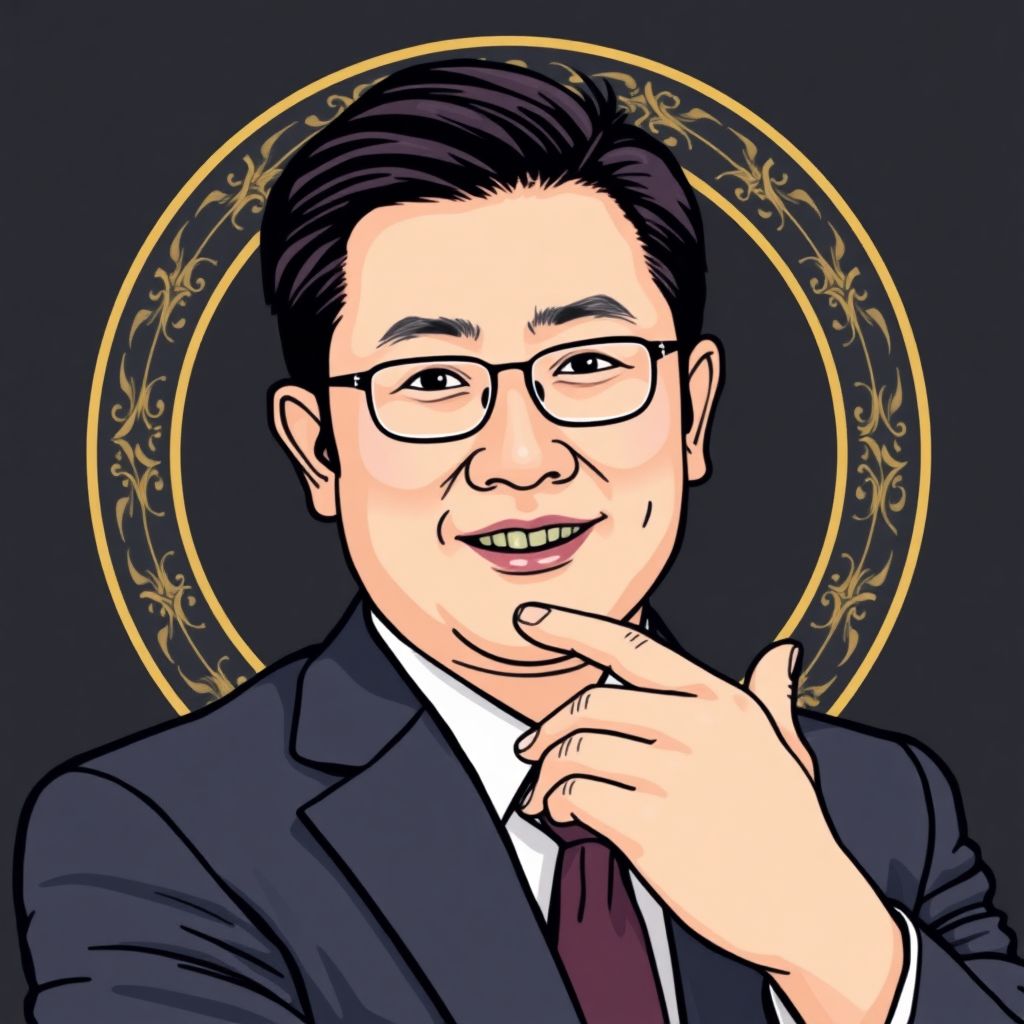
OKX Faces Criticism Over Transparency and Strategy — CEO Vows Improvements Amid Regulatory Constraints
OKX founder Star Xu has responded to mounting community discontent surrounding the exchange’s strategic direction and transparency concerns, particularly regarding its native OKB token. In a recent statement, Xu acknowledged the wave of criticism and pledged to tackle several issues raised by users. However, he also emphasized that some solutions may be limited by regulatory obligations.
The discontent was sparked by users who expressed frustration over OKX’s perceived stagnation in comparison to more dynamic competitors like Binance. Several users argued that OKX lacks both strategic vision and transparency — particularly around the OKB buyback program, which has been shrouded in ambiguity.
One prominent user, who claimed VIP status on the platform, voiced concerns that OKX is falling behind rivals in both innovation and influence. He pointed out that Binance’s founder, Changpeng Zhao (CZ), has taken a more aggressive approach to growth, while Xu has remained overly cautious. “Star Xu’s restraint may be his biggest flaw,” the user asserted, adding that without bold moves or clear support for initiatives like OKB and OKPay, OKX risks losing relevance.
The criticism wasn’t just about leadership style. Users also questioned the lack of transparency surrounding the exchange’s OKB buyback program. Although the token saw a dramatic 400% price increase in August following the announcement of the initiative, many users lamented the absence of detailed information. In contrast, Binance’s BNB token burn statistics are regularly published and easily accessible, which builds community trust and confidence.
Xu responded by stating that he and his team are willing to address valid concerns. However, he cautioned that certain demands, especially around transparency and tokenomics, may not be fully met due to compliance with legal and regulatory frameworks. “There are restrictions we must navigate,” Xu noted, implying that regulatory obligations could limit OKX’s ability to fully deliver on user expectations.
This isn’t the first time OKX has faced backlash. In July, the platform came under fire for imposing sweeping account restrictions, which many users viewed as arbitrary and excessive. These incidents have added to growing dissatisfaction among the platform’s long-term supporters.
OKX, which rebranded from OKEx in 2017, was originally known as OKCoin, a platform catering predominantly to Chinese crypto users. Interestingly, CZ himself previously worked as the CTO at OKCoin before parting ways with Star Xu in 2015 due to internal disagreements. CZ went on to launch Binance in 2017 — the same year OKX rebranded — and has since turned it into the largest cryptocurrency exchange by trading volume globally.
In contrast, OKX currently ranks seventh according to trading volume. While it has made efforts to diversify its offerings — such as launching X Layer and integrating OKB more deeply into its ecosystem — these developments have not replicated the success of Binance’s BNB Chain. BNB has surged over 130% year-over-year, recently peaking at $1,355, while OKB has struggled to maintain its momentum despite its initial August rally.
Although OKB did outpace BNB temporarily in August, its performance has since lagged. The OKB/BNB ratio has been steadily declining, indicating a reversal in that short-lived trend. This only reinforces user concerns that OKX is not capitalizing on growth opportunities or building a sustainable token economy.
To bolster its position, OKX must go beyond promises and deliver measurable improvements. Enhancing transparency around token metrics and governance structures can help rebuild trust. Investors and users want to see clearly defined roadmaps, real-time updates on token buybacks or burns, and open communication about changes to platform operations.
Furthermore, OKX could benefit from a more proactive stance in product development. While Binance has successfully created an entire ecosystem around its BNB token — with use cases spanning DeFi, NFTs, and staking — OKX’s ecosystem remains comparatively underdeveloped. Expanding OKB’s utility beyond mere trading incentives could create stronger community engagement and long-term token value.
Another key area for improvement lies in community outreach and education. Exchanges like Binance and Coinbase have invested heavily in onboarding new users, offering tutorials, incentives, and transparent dashboards. OKX has an opportunity to follow suit by demystifying its platform features and establishing itself as a user-first exchange.
Security is another factor that could make or break OKX’s future growth. While there have been no major incidents recently, the crypto industry remains vulnerable to hacks and asset freezes. Proactive disclosure of security protocols, third-party audits, and insurance guarantees would go a long way in reassuring users.
As crypto regulation tightens worldwide, exchanges must also be agile in adapting to new compliance frameworks. Xu’s remarks about regulatory limitations hint at mounting pressure from global regulators — but rather than viewing this as a hindrance, OKX could position itself as a compliant yet innovative platform. Offering regulated products, partnering with licensed financial institutions, and obtaining necessary operational licenses in key markets could differentiate OKX from its peers.
In conclusion, while Star Xu’s promise to “do better” is a start, OKX now faces the real challenge of execution. The crypto community is increasingly demanding transparency, innovation, and accountability from major exchanges. If OKX can align its strategies with these expectations — without compromising on compliance — it may still reclaim its competitive edge in a rapidly evolving market.