
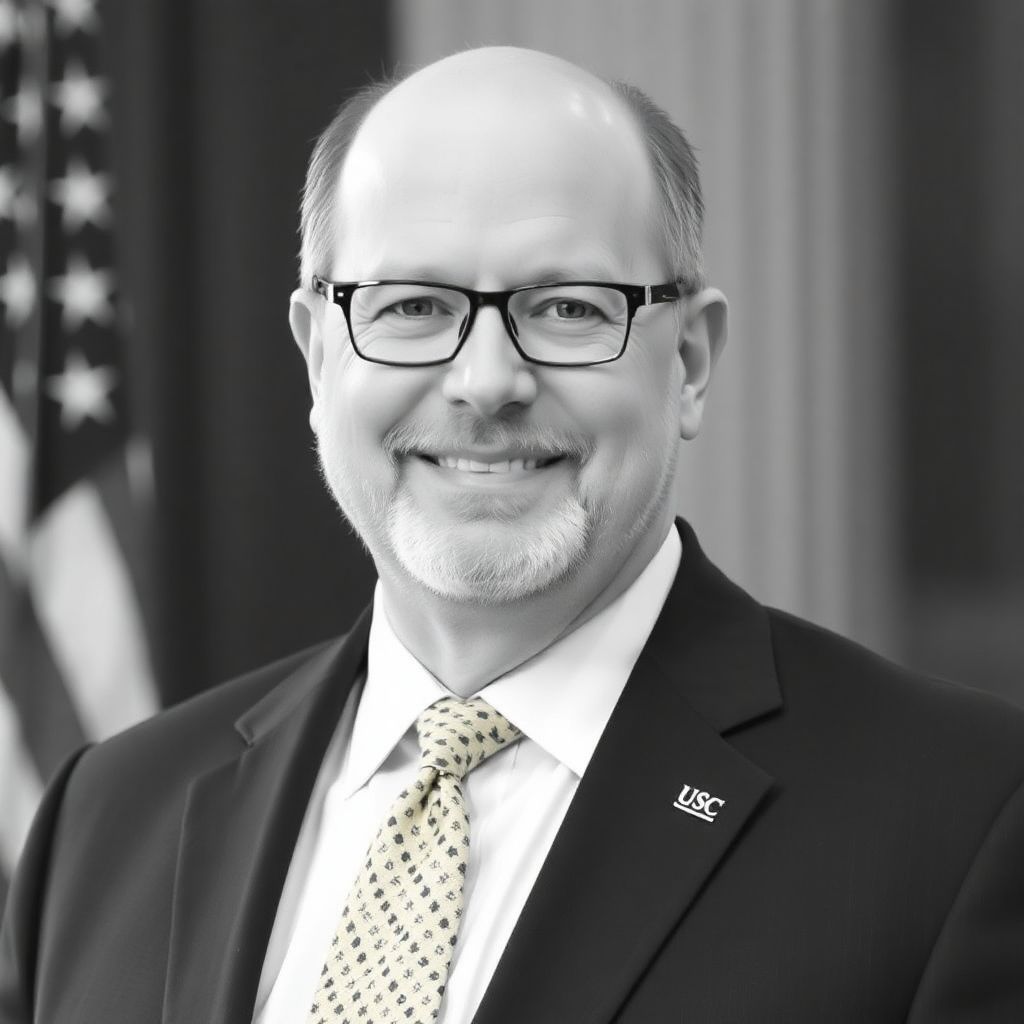
Michael Selig, a senior official at the U.S. Securities and Exchange Commission (SEC), is set to appear before the Senate Agriculture Committee on November 19 in a hearing that could confirm him as the next chair of the Commodity Futures Trading Commission (CFTC). This development follows President Donald Trump’s withdrawal of his initial nominee, Brian Quintenz, after months of controversy surrounding the selection process.
Selig, who currently serves as chief counsel for the SEC’s crypto task force, has been tapped as Trump’s new choice to lead the CFTC—a regulatory body that plays a critical role in overseeing U.S. derivatives markets, including those related to cryptocurrencies. His nomination comes at a pivotal moment for the agency, which has been operating with just one commissioner, acting chair Caroline Pham, since September.
This hearing could determine not only the leadership of the CFTC but also the future direction of digital asset regulation in the U.S. Pham, the current acting chair, has already announced her intention to step down once a new chair is confirmed, which would leave Selig as the sole commissioner until other appointments are made. The CFTC typically operates with five commissioners, making this leadership transition particularly significant.
The confirmation process for Selig began to move forward after the Senate Agriculture Committee added his nomination hearing to its calendar, signaling renewed momentum in regulatory appointments after a period of inactivity caused by a government shutdown. This update came shortly after Selig publicly acknowledged his nomination via social media, following the formal withdrawal of Quintenz.
Quintenz’s nomination, originally announced in February, stalled in July amid allegations of lobbying by prominent industry figures. Reports emerged that Cameron and Tyler Winklevoss, co-founders of the Gemini cryptocurrency exchange, had advocated for a different nominee and sought specific promises regarding enforcement approaches at the CFTC. In an unusual public move, Quintenz released private text messages with the Winklevoss twins, suggesting behind-the-scenes pressure that may have contributed to his removal from consideration.
Selig’s nomination signals a potential shift in regulatory tone, particularly in the realm of digital assets. Known for his crypto-friendly stance, Selig is expected to bring a more progressive approach to crypto oversight. His background at the SEC’s crypto task force positions him as someone deeply familiar with the nuances of blockchain technology and digital finance regulation.
At the same time, broader legislative efforts are underway that could reshape the regulatory landscape for cryptocurrencies in the U.S. In July, the House of Representatives passed the CLARITY Act, a bill designed to delineate the roles of the SEC and CFTC in managing digital assets. The legislation is currently under review by both the Senate Agriculture Committee and the Senate Banking Committee.
The Agriculture Committee, which has jurisdiction over the CFTC, recently released a draft version of the market structure bill—marking the first legislative movement on the issue in weeks. This bill aims to provide a clearer framework for the regulation of digital commodities and is expected to have a significant impact on how crypto markets are governed.
If confirmed, Selig would not only lead the CFTC through a period of transition but also potentially oversee the implementation of sweeping regulatory reforms. The passage of the market structure bill could redefine the agency’s responsibilities, especially in relation to the SEC, which has historically taken a more aggressive stance on crypto enforcement.
Industry observers are watching closely to see how Selig’s leadership might affect ongoing debates over the classification of digital assets—whether they should be considered securities, commodities, or fall into a new category altogether. This classification has major implications for compliance, investor protections, and innovation in the crypto space.
Another critical issue on the horizon is the establishment of a unified regulatory framework that can accommodate emerging technologies like decentralized finance (DeFi), stablecoins, and tokenized assets. Selig’s legal background and experience at the SEC may position him to bridge the current regulatory gaps and bring more consistency to enforcement actions.
Moreover, with growing bipartisan interest in creating a robust legal foundation for digital assets, Selig could play a key role in facilitating inter-agency cooperation. His confirmation may also influence the pace at which new regulatory guidance is issued, especially for startups and exchanges seeking clarity on compliance obligations.
The current uncertainty in the crypto regulatory environment has been a source of frustration for many industry participants. A confirmed CFTC chair with a nuanced understanding of digital assets could help restore predictability and foster a more innovation-friendly ecosystem.
In summary, Michael Selig’s upcoming Senate hearing represents more than just a personnel change at the CFTC. It could mark a turning point in how the U.S. regulates one of the fastest-growing sectors in finance. As the nation grapples with the challenges of adapting its legal infrastructure to the digital age, the leadership at key regulatory agencies like the CFTC will be instrumental in shaping the future of financial innovation.