
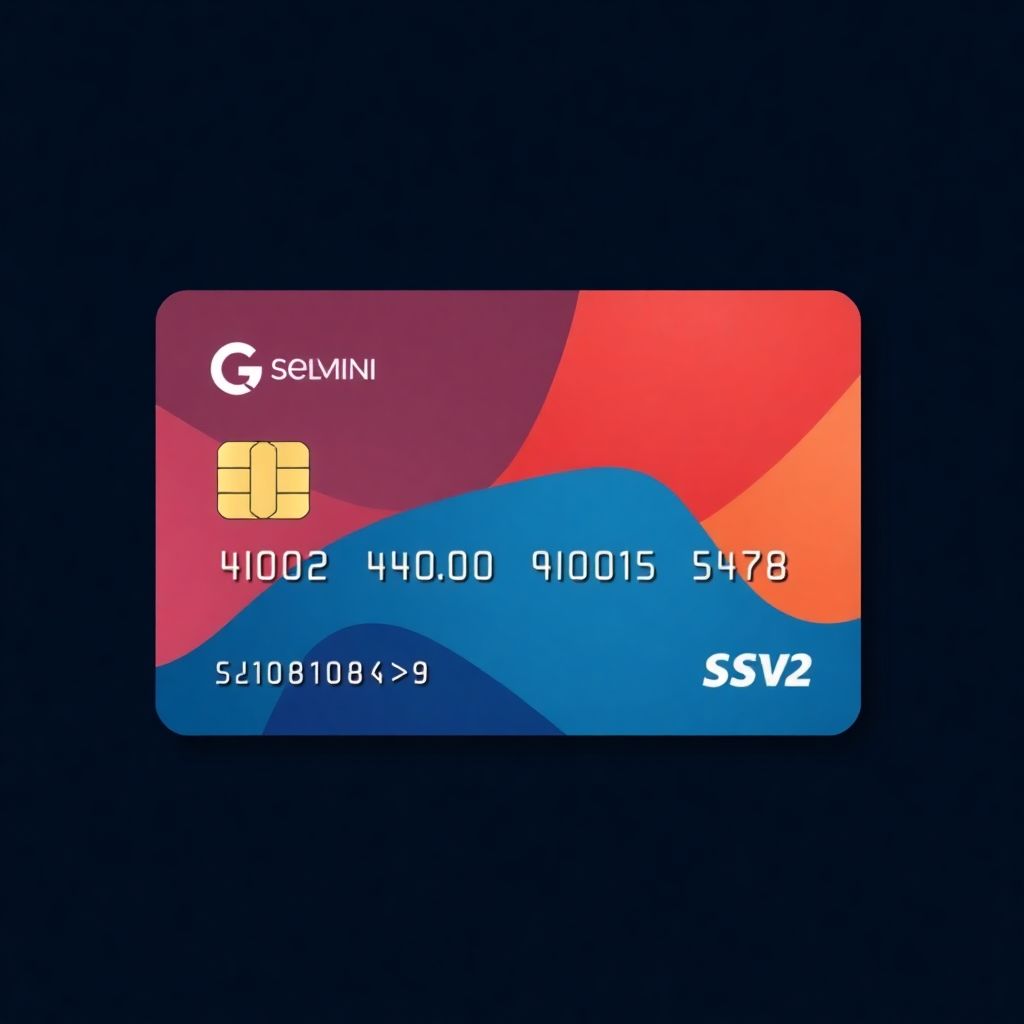
Gemini, the cryptocurrency exchange established by billionaire twins Cameron and Tyler Winklevoss, has unveiled a new version of its credit card that offers rewards in Solana (SOL). Launched on October 20, this latest addition to the Gemini product suite allows users to earn up to 4% cashback in SOL for every eligible purchase, reinforcing the company’s commitment to expanding utility within the crypto ecosystem.
A key innovation in this credit card is the built-in option for automatic staking of Solana rewards. Cardholders can opt to stake their earned SOL directly through Gemini, potentially earning up to 6.77% in additional returns. This marks the first time Gemini has integrated staking options directly into its consumer-facing financial products, adding a layer of passive income generation for users.
Performance data shared by Gemini shows compelling results: customers who accumulated and held onto their SOL rewards for at least a year saw those rewards appreciate by nearly 299.1% as of July 27, 2025. This remarkable growth positions Solana as one of the top-performing crypto reward options on the platform, attracting both new and seasoned investors.
The Gemini Credit Card is also designed with user convenience at the forefront. It comes with no annual fees, incurs no charges for receiving crypto rewards, and eliminates foreign transaction fees—features aimed at increasing adoption among everyday consumers and crypto enthusiasts alike.
The launch of the Solana credit card follows Gemini’s earlier move this year to provide institutional staking services for SOL. Introduced on June 23, this program allows ETFs, large corporations, and high-net-worth clients to stake their Solana holdings through Gemini Custody. Strategic collaborations with firms like DeFi Dev Corp., which manages over 2 million SOL, and Purpose Investments, a Canadian issuer of a Solana-focused ETF, underscore the growing institutional interest in Solana.
To highlight the new card and celebrate the partnership, Gemini and Solana are co-hosting a 48-hour continuous livestream event on X (formerly Twitter), beginning October 21. The event is being broadcast directly from Gemini’s headquarters in New York City and is expected to include exclusive interviews, product showcases, and live Q&A sessions with developers and executives.
This series of initiatives marks a pivotal year for Gemini. The company recently debuted on the Nasdaq under the ticker symbol GEMI, raising $425 million on the first day of its IPO. Despite this strong start, GEMI shares are currently trading at $20.29—a notable drop from their IPO price of $28—bringing the company’s market capitalization to approximately $2.7 billion.
Gemini’s public listing places it among several high-profile crypto firms that have gone public in 2025. These include Circle (CRCL), the issuer behind USDC, the second-largest stablecoin, and Bullish (BLSH), backed by prominent investor Peter Thiel. The broader trend of crypto firms entering traditional financial markets speaks to the maturing nature of the digital asset industry.
Meanwhile, Solana’s own market performance has been turbulent. Over the past 14 and 30 days, SOL has declined by 20% and 21%, respectively. Despite a 17% gain year-to-date, the cryptocurrency remains 36% below its all-time high. These fluctuations highlight the volatility that continues to define the crypto market and underscore the importance of long-term strategies like staking.
The integration of staking into a consumer credit card reflects a broader shift in how crypto products are being designed. Instead of merely serving as speculative assets, cryptocurrencies like Solana are increasingly embedded into financial tools that offer real-world utility. This not only helps drive mass adoption but also encourages users to think of crypto as a part of their everyday financial lives.
For Gemini, the partnership with Solana is more than just a product launch—it’s a strategic alignment with one of the fastest-growing blockchain ecosystems. Solana’s high throughput and low-cost transactions make it an appealing choice for fintech integrations, and its vibrant developer community continues to push the envelope in decentralized applications, NFTs, and DeFi.
Looking ahead, Gemini’s approach suggests a continued focus on bridging the gap between traditional finance and the crypto economy. By offering tools that are familiar to mainstream users—like credit cards—while layering in blockchain-based incentives, Gemini is positioning itself as a leader in the next phase of crypto adoption.
The introduction of Solana rewards also reflects a diversification strategy in the exchange’s reward offerings. While Bitcoin and Ethereum remain popular, Solana’s performance and utility have made it a strong contender for users seeking alternative assets with growth potential. This is particularly relevant in 2025, as investors look beyond the legacy cryptocurrencies for opportunities in emerging blockchain networks.
In addition to the consumer-facing innovations, Gemini is likely to continue building out its institutional offerings. With regulatory clarity improving in several jurisdictions, the path is opening for more traditional financial institutions to participate in staking, trading, and custody of digital assets at scale.
As the crypto landscape matures, products like the Gemini Solana Credit Card could become standard financial tools, blending the best of traditional finance with the evolving capabilities of blockchain technology. Whether for cashback rewards, staking yields, or simply seamless international spending, the integration of crypto into everyday financial life is no longer a hypothetical—it’s accelerating rapidly.