
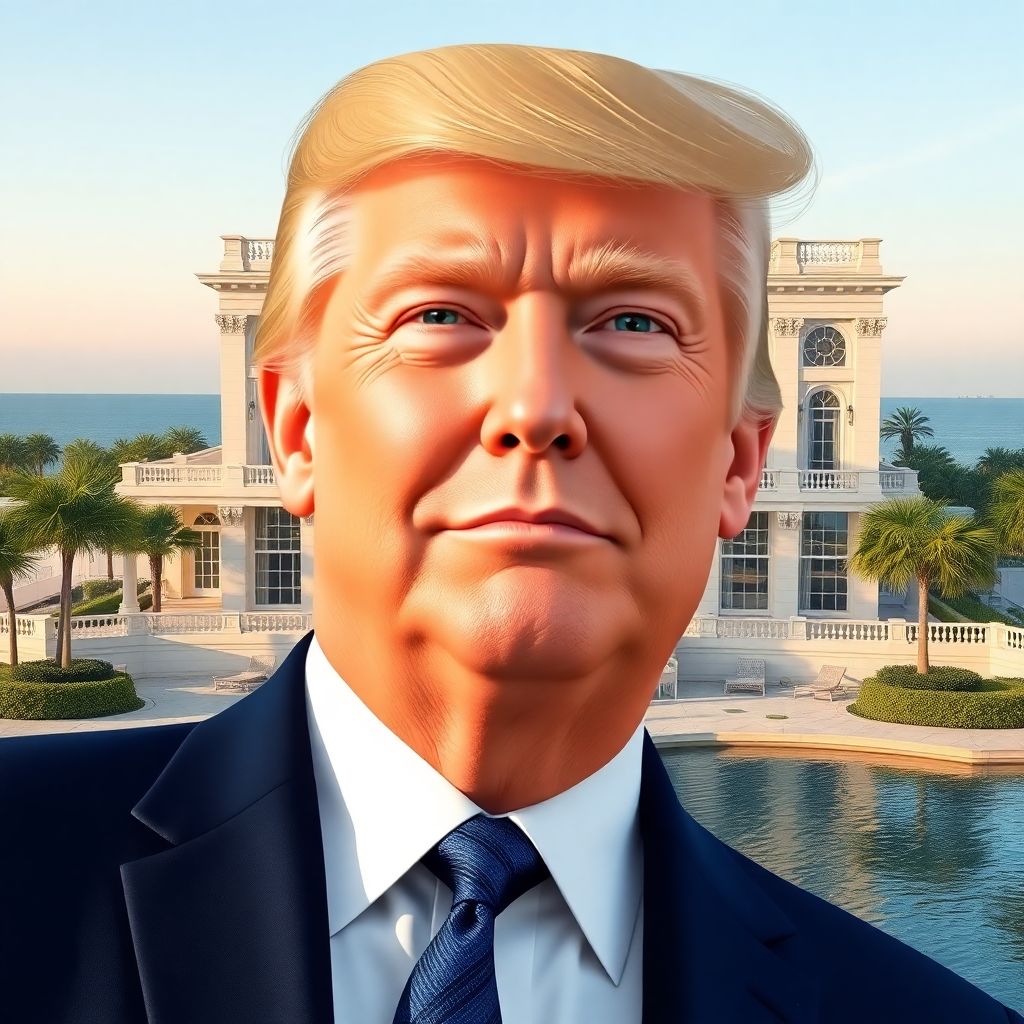
Eric Trump Embraces Real Estate Tokenization: The Trump Brand Steps Into Crypto
Eric Trump is spearheading an ambitious plan to digitize real estate ownership by tokenizing at least one of the Trump Organization’s properties. The initiative aims to break down the traditional barriers that have kept average investors out of the luxury property market by offering fractional ownership through blockchain-based tokens.
Making Luxury Real Estate Accessible
In a recent televised interview, Eric Trump shared details of this pioneering venture, revealing that the project is being developed in partnership with World Liberty Financial. The company is known for its work in asset-backed tokens and is the issuer of the USD1 stablecoin. Trump stated that the first property to undergo tokenization is currently under development, although the specific location has not been disclosed.
The tokenized model would allow individuals to invest in small fractions of the property, with a minimum buy-in starting at just $1,000. This drastically lowers the entry cost for high-end real estate investment, bypassing the need for traditional bank financing or full asset acquisition.
Technology Meets Tradition
By leveraging blockchain technology, the Trump Organization is exploring a new frontier in property investment. The tokens, issued via World Liberty Financial, would represent ownership rights in the asset. Beyond potential financial returns, these tokens may also come with exclusive perks — such as access to hotel rooms or VIP amenities — adding a layer of utility that traditional real estate investments lack.
Although the benefits appear promising, the legal structure of the tokens remains vague. Analysts are questioning whether these ownership tokens will be regarded as securities, fractional interest units, real estate investment trust (REIT) shares, or a new type of digital asset altogether.
Mixed Market Reactions and Expert Opinions
Market observers have reacted with cautious optimism. Proponents argue that tokenization could democratize access to real estate, traditionally one of the most illiquid and expensive asset classes. Critics, however, warn of potential regulatory hurdles and illiquidity in secondary markets, especially in the early stages of adoption.
Legal experts stress that the success of the project hinges on its compliance with U.S. securities laws, investor protection frameworks, and tax regulations. At present, there is no clear guidance on how such tokenized offerings should be structured to meet all federal and state requirements.
Regulatory Landscape Still Murky
The U.S. regulatory environment is still evolving when it comes to tokenized real-world assets. Agencies have launched initiatives like Project Crypto to better understand and regulate digital representations of physical assets. While regulators appear increasingly open to innovation, they remain firm on the need for transparency, risk management, and investor safeguards.
This puts the Trump-backed plan at a crossroads. Depending on how it’s structured, the offering could either set a precedent for compliant tokenized real estate or face significant restructuring to align with existing laws.
Tokenization: A Broader Trend in Real Estate
The Trump initiative is part of a wider movement toward real estate tokenization. Around the world, property developers and financial firms are experimenting with blockchain to streamline property transactions, increase liquidity, and broaden market participation. The use of smart contracts and distributed ledgers offers the potential for instant settlement, lower costs, and enhanced transparency.
In Singapore and Switzerland, for example, regulators have already approved pilot programs for tokenized buildings, setting a model that other countries — including the U.S. — may eventually follow. These programs have shown that tokenization can reduce friction in the property market, attract smaller investors, and open up global investment opportunities.
Benefits of Tokenized Real Estate
Tokenized real estate offers several key advantages:
– Fractional Ownership: Investors can buy small portions of high-value properties.
– Increased Liquidity: Tokens can potentially be traded on secondary markets.
– Global Reach: Investors from anywhere in the world can participate without traditional barriers.
– Transparency: Blockchain provides a secure and immutable record of ownership and transactions.
– Operational Efficiency: Smart contracts automate rent, dividend payments, or access rights.
Challenges and Risks
Despite its promise, real estate tokenization is not without its challenges. Regulatory uncertainty remains the most significant barrier. The ambiguity around whether tokens are classified as securities, and what rules apply, could delay or derail projects. Additionally, secondary market infrastructure is still underdeveloped, limiting the liquidity that tokenization purports to offer.
Another concern is valuation and due diligence. For traditional real estate investments, extensive property inspections and appraisals are standard. Translating this process into the digital space while maintaining investor confidence remains a work in progress.
The Trump Brand’s Crypto Ambitions
The fact that Eric Trump is aligning the iconic Trump brand with blockchain innovation signals a major shift. Historically, the Trump family has focused on traditional real estate, hospitality, and branding ventures. Tokenization introduces a digital layer to these assets, potentially transforming how the brand engages with investors and fans.
By incorporating blockchain, the Trump Organization could create a hybrid model of real estate ownership that blends physical assets with digital utility — a move that may also attract a younger, tech-savvy investor base.
Potential Impact on the Real Estate Market
If successful, this project could pave the way for other high-profile real estate firms to follow suit. Tokenization could become a standard method for raising capital and distributing ownership. Developers might use it to pre-sell units, while investors could diversify their portfolios with smaller stakes in multiple properties across the globe.
The ripple effect could be profound, fundamentally altering how ownership is defined and transferred in the real estate sector.
Looking Ahead
As the project unfolds, all eyes will be on how Eric Trump and World Liberty Financial navigate the complex junction of technology, real estate, and regulation. Should they manage to deliver a compliant, accessible, and appealing investment vehicle, it may mark a turning point in the widespread adoption of tokenized real estate.
While the road ahead involves legal scrutiny and market testing, the Trump family’s foray into crypto-backed real estate presents a bold vision for the future — one where luxury property is no longer the exclusive domain of the ultra-wealthy but a tradable asset within reach of the everyday investor.