
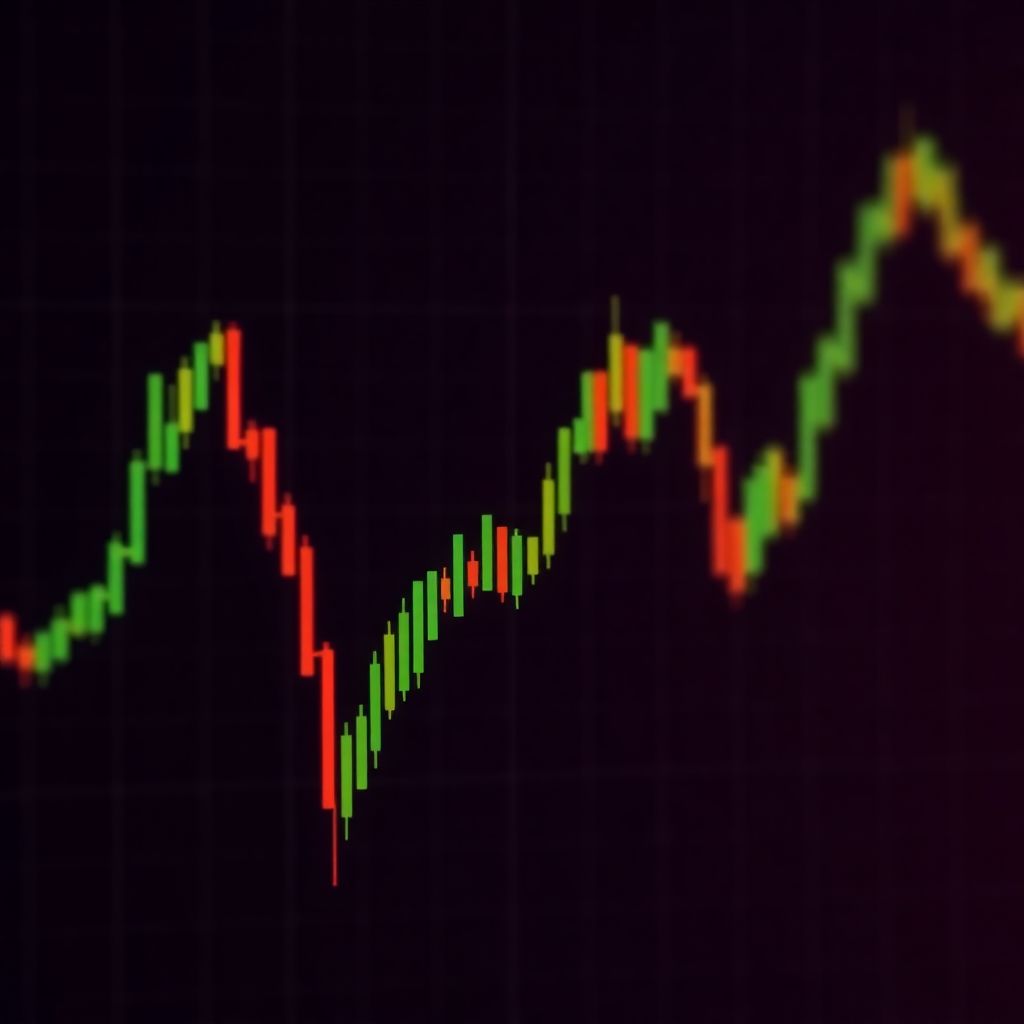
Technical analyst John Bollinger, the creator of the Bollinger Bands volatility indicator, has recently highlighted the emergence of potential bullish reversal patterns—specifically, “W” bottoms—on the charts of Ether (ETH) and Solana (SOL). While these formations have yet to materialize on Bitcoin (BTC), their presence in other leading altcoins may signal an impending shift in market momentum.
Bollinger emphasized that now is a crucial time for market participants to sharpen their focus. The appearance of W-shaped bottoms, often associated with trend reversals to the upside, could indicate that ETH and SOL are preparing for significant upward moves. These patterns are characterized by two troughs forming near the same price level, separated by a peak, creating a visual “W” shape that typically suggests a bottoming process.
For Ether, the price has twice tested the $3,700 level this month, bouncing back both times and hinting at strong underlying support. Solana has mirrored this pattern, dipping to around $175 on two occasions in October before staging a modest recovery. These double-dip movements align closely with the characteristics of a W bottom, strengthening the bullish case for both assets.
Bitcoin, on the other hand, is still in the process of establishing a base after a sharp V-shaped decline. The leading cryptocurrency briefly fell below $104,000 last Friday, only to rebound over the weekend. It’s now trading near the lower end of a sideways channel that has been developing since mid-May, when BTC first surged past the six-figure mark.
Interestingly, the last time Bollinger issued a similar call for traders to “pay attention” was in July 2024. At that time, Bitcoin was trading under $55,000. Over the subsequent six months, BTC more than doubled in value, peaking above $100,000. That historical context lends weight to Bollinger’s current warning and suggests that a potentially explosive move may be on the horizon.
Adding further intrigue is the recent behavior of Bitcoin’s Bollinger Bands themselves. Following months of tight consolidation, the bands have begun to expand—a signal that volatility is returning to the market. This expansion follows a record leverage flush, clearing out overleveraged positions and potentially setting the stage for a more sustainable price rally.
Despite recent turbulence and bearish sentiment in the market, many analysts remain optimistic. Some argue that the broader crypto market remains in an uptrend. One such analyst, known as Sykodelic, pointed to the 50-week simple moving average (SMA) as a key metric. This SMA has been tested four times since November and continues to hold as a level of support, indicating that long-term momentum remains intact.
While Bitcoin has struggled to reclaim the $108,000 level—now acting as resistance after previously serving as support—market watchers argue that this is more of a consolidation phase than the beginning of a bear market. If ETH and SOL can break out of their current ranges, they may lead the way for a broader market move, potentially pulling BTC along with them.
In addition to technical signals, macroeconomic factors and investor sentiment could also play key roles in shaping market direction. Increased institutional interest, regulatory developments, and geopolitical events often serve as catalysts for sharp price movements in crypto markets.
Moreover, the overall structure of the crypto market has evolved significantly over the past year. With the rise of decentralized finance (DeFi), non-fungible tokens (NFTs), and the integration of blockchain technologies into traditional finance, digital assets have become more interconnected and reactive to a broader array of market forces.
Traders and investors are now eyeing upcoming economic events, such as inflation data releases and central bank policy statements, as potential triggers for volatility. As crypto assets become more entangled with global financial trends, their price movements may increasingly reflect broader economic shifts.
Another key point to consider is market psychology. The presence of fear, uncertainty, and doubt (FUD) often precedes major reversals, as overextended short positions can lead to sudden short squeezes. If confidence begins to rebuild following the recent leverage wipeout, we could witness a rapid recovery rally.
In summary, the charts are offering early signs of potential bullish reversals in Ethereum and Solana, while Bitcoin remains in a consolidation phase. John Bollinger’s alert to “pay attention soon” could be a precursor to a significant market shift, particularly if historical patterns repeat. Traders would be wise to monitor key technical indicators—especially the 50-week SMA and Bollinger Band behavior—while also remaining attuned to macroeconomic signals and market sentiment.
As the crypto landscape continues to evolve, so too must investor strategies. In times of transition and volatility, careful analysis and disciplined risk management will be essential to navigating the next major move. Whether the market is gearing up for a breakout or bracing for further consolidation, one thing is clear: the coming weeks could prove pivotal for the direction of digital assets.